CD3 antibody
Principal name
CD3 antibody
Alternative names for CD3 antibody
T3/Leu-4, T-cell surface glycoprotein CD3, T-cell surface antigen T3/Leu-4
SwissProt ID
P07766 (Human), P22646 (Mouse), P27597 (Canfa), P29328 (Sheep), Q28073 (Bovin), Q5R1Q1 (Felca), Q7YRN2 (Pig), Q95LI5 (Macfa), Q98910 (Chick), Q9TUF9 (Rabit)
Ncbi ID
NP_031674.1, NP_000724.1, 9541, 9031, 9606, NP_001003379.1, NP_999392.1, 10090, NP_000724, NP_031674, NP_001009862.1, NM_000733
Available reactivities
Available hosts
Available applications
Functional assay (FN), Flow Cytometry (F), Frozen Sections (C), Immunoprecipitation (IP), Western blot / Immunoblot (WB), Paraffin Sections (P), Immunocytochemistry/Immunofluorescence (ICC/IF), Enzyme Immunoassay (E), Dot blot (Dot), Radioimmunoassay (R)
Background of CD3 antibody
The antigen receptor on human T lymphocytes consists of two variable immunoglobulin-like glycoproteins, alpha and beta or TCR-gama and delta, which occur in association (noncovalently) with three invariable T3 membrane proteins (CD3-gamma, CD3-delta and CD3 epsilon). In humans two of these proteins, T3-gamma and T3-delta, are glycoproteins of relative molecular mass (Mr) 25,000 (25K) and 20,000 (20K), respectively, while the third, T3-epsilon, is a 20K non-glycosylated protein. A keystone of the antigen-specific immune response is the T-cell receptor (TCR)/CD3 complex. CD3 antigen has gamma, delta, epsilon, and theta chains. The CD3 complex consist of various chains (alfa, beta, gamma, theta, epsilon and delta) mediates signal transduction in T cell receptor cells. The TCR/CD3 complex of T-lymphocytes consists of either a TCR alpha/beta or TCR gamma/delta heterodimer co-expressed at the cell surface with the invariant subunits of CD3 labeled gamma, delta, epsilon, zeta, and eta. The infection of CD3 positive cells with HTLV led to a decrease in CD3 antigen expression. The onset of this phenomenon coincided with a decrease of CD3γ followed by the subsequent progressive reduction in CD3δ, then CD3ε and CD3ζ mRNA. This decrease in CD3 expression is a direct result of epigenetic control regulation of CD3 genes as determined by DNAse I hyper sensitivity assay (DHS) (1).
Antibodies to CD3 epsilon chain is a glycosylated protein of 290 amino acids with a single trans-membrane spanning domain residing between 127-149 with an apparent MW of 20 kDa. The epsilon chain of CD3 complex is non-glycosylated and is involved in rapid turnover of phosphotidylserine and accumulation of intracellular Ca after antigen receptor activation on T cell. The CD3 epsilon gene consist of nine exons and three mini exons of 21, 15 and 18 bases, the epsilon gene is transcribed form weak, tissue non-specific TATA less promoter (2).
The CD3E-selective (CD3 epsilon chain) antibodies were generated against peptide form unique region of the CD3 gene that is not present in other CD3 antigen chains or other cellular proteins. The antigenic sequence was common in several species but distinct from other CD antigens.
General readings
1. Beverley, P.C.L. and Callard, R.E. (1981) Distinctive functional characteristics of human T lymphocytes defined by E rosetting or a monoclonal anti T-cell antibody. Eur. J. Immunol. 11: 329-334.
2. Zarkesh-Esfahani H, Pockley G, Metcalfe RA, Bidlingmaier M, Wu Z, Ajami A, et al. High-dose leptin activates human leukocytes via receptor expression on monocytes. J Immunol. 2001 Oct 15;167(8):4593-9. PubMed PMID: 11591788.
3. Kung, P. et al. (1979) Monoclonal antibodies defining distinctive human T cell surface antigens. Science. 206: 347-9.
4. Clevers, H. et al. (1988) The transmembrane orientation of the epsilon chain of the TcR/CD3 complex. Eur J Immunol. 18 (5): 705-10.
5. Salmerón, A. et al. (1991) A conformational epitope expressed upon association of CD3-epsilon with either CD3-delta or CD3-gamma is the main target for recognition by anti-CD3 monoclonal antibodies. J Immunol. 147: 3047-52.
6. Hirsh, M.I. and Cohen, V. (2006) Chloroquine prevents T lymphocyte suppression induced by anthrax lethal toxin. J Infect Dis. 194: 1003-7.
7. Mahon, N.G. et al. (2002) Immunohistologic evidence of myocardial disease in apparently healthy relatives of patients with dilated cardiomyopathy. J Am Coll Cardiol. 39: 455-62.
8. Lawson, C.A. et al. (2006) Early rheumatoid arthritis is associated with a deficit in the CD4+CD25high regulatory T cell population in peripheral blood. Rheumatology (Oxford). 45: 1210-7.
9. Campana, D. et al. (1987) The cytoplasmic expression of CD3 antigens in normal and malignant cells of the T lymphoid lineage. J Immunol. 138 (2): 648-55.
10. Battaglia, A. et al. (2003) Lymphocyte populations in human lymph nodes. Alterations in CD4+ CD25+ T regulatory cell phenotype and T-cell receptor Vbeta repertoire. Immunology. 110: 304-12.
11. McIntosh, R.S. et al. (1997) Analysis of the T cell receptor V alpha repertoire in Hashimoto'sthyroiditis: evidence for the restricted accumulation of CD8+ T cells in the absence of CD4+ T cell restriction. J Clin Endocrinol Metab. 82: 1140-6.
12. Aird, I.A. et al. (1999) Leukocytes in semen from men with spinal cord injuries. Fertil Steril. 72: 97-103.
13. Coli?, M. et al. (2006) Correlation between phenotypic characteristics of mononuclear cells isolated from human periapical lesions and their in vitro production of Th1 and Th2 cytokines. Arch Oral Biol. 51: 1120-30.
14. Oliver, B. et al. (2001) Low-dose theophylline does not exert its anti-inflammatory effects in mild asthma through upregulation of interleukin-10 in alveolar macrophages. Allergy. 56: 1087-90.
15. Guntermann, C. and Alexander, D.R. (2002) CTLA-4 suppresses proximal TCR signaling in resting human CD4(+) T cells by inhibiting ZAP-70 Tyr(319) phosphorylation: a potential role for tyrosine phosphatases. J Immunol. 168: 4420-9.
16. Baturcam, E. et al. (2014) Physical exercise reduces the expression of RANTES and its CCR5 receptor in the adipose tissue of obese humans. Mediators Inflamm. 2014: 627150.
17. Clark, E.A. et al. (1983) Evolution of epitopes on human and nonhuman primate lymphocyte cell surface antigens. Immunogenetics. 18 (6): 599-615.
18. Erber, W.N. et al. (1984) Immunocytochemical detection of T and B cell populations in routine blood smears. Lancet. 1 (8385): 1042-6.
19. Maggiorella, M. et al. (1998) Detection of Infectious Simian Immunodeficiency Virus in Band T- cell lymphomas of experimentally infected macaques. Blood. 91 (9): 3103 - 3111.
20. Kumpel, B. et al. (2014) Accurate quantitation of D+ fetomaternal hemorrhage by flow cytometry using a novel reagent to eliminate granulocytes from analysis. Transfusion. 54 (5): 1305-16.
21. Mjösberg, J. et al. (2009) Systemic reduction of functionally suppressive CD4dimCD25highFoxp3+ Tregs in human second trimester pregnancy is induced by progesterone and 17beta-estradiol. J Immunol. 183: 759-69.
22. Hess, C. et al. (2000) Induction of neutrophil responsiveness to myeloperoxidase antibodies by their exposure to supernatant of degranulated autologous neutrophils. Blood. 96: 2822-7.
23. Choudhuri, K. et al. (2009) Peptide-major histocompatibility complex dimensions control proximal kinase-phosphatase balance during T cell activation. J Biol Chem. 284: 26096-105.
24. Dong, D. et al. (2006) T cell receptor for antigen induces linker for activation of T cell-dependent activation of a negative signaling complex involving Dok-2, SHIP-1, and Grb-2. J Exp Med. 203: 2509-18.
25. Libri, V. et al. (2008) Jakmip1 is expressed upon T cell differentiation and has an inhibitory function in cytotoxic T lymphocytes. J Immunol. 181: 5847-56.
26. Churchman, S.M. et al. (2014) Modulation of peripheral T-cell function by interleukin-7 in rheumatoid arthritis. Arthritis Res Ther. 16 (6): 511.
27. Ward, S.T. et al. (2015) The effects of CCR5 inhibition on regulatory T-cell recruitment to colorectal cancer. Br J Cancer. 112 (2): 319-28.
28. Saavedra, D. et al. (2015) Biomarkers related to immunosenescence: relationships with therapy and survival in lung cancer patients. Cancer Immunol Immunother. Nov 20. [Epub ahead of print]
30. Bhat, S.S. et al. (2016) Syntaxin 8 is required for efficient lytic granule trafficking in cytotoxic T lymphocytes. Biochim Biophys Acta. Apr 17. pii: S0167-4889(16)30103-3. [Epub ahead of print]
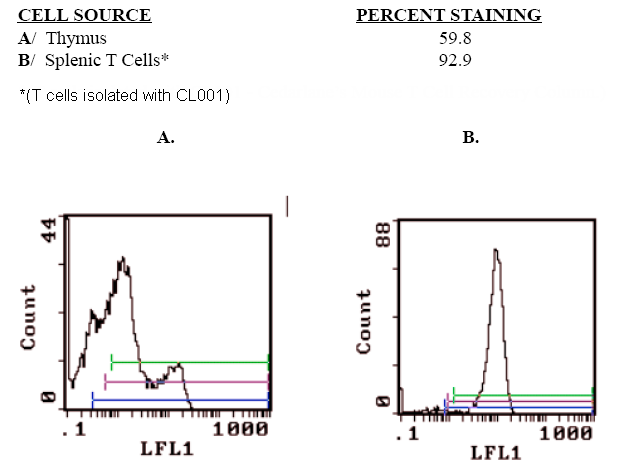
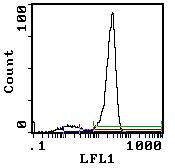
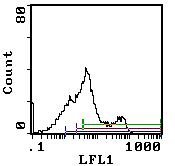
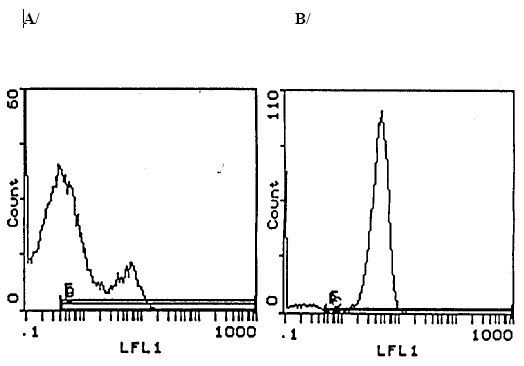
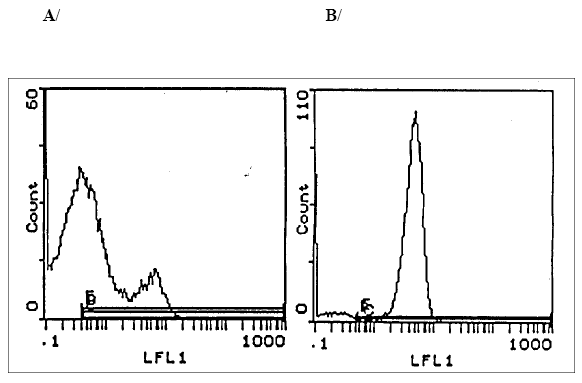
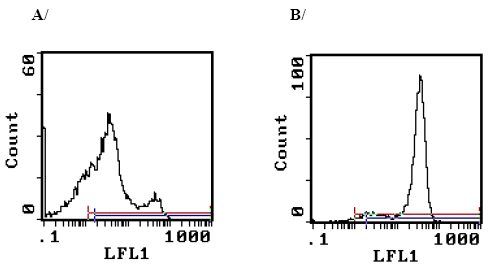
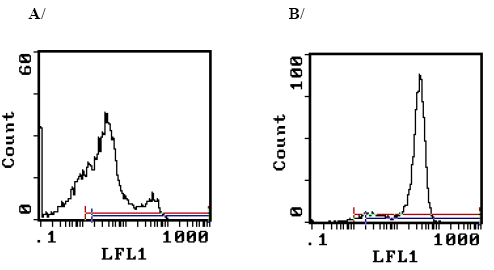
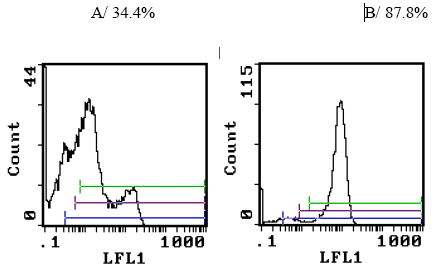
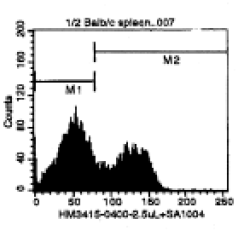
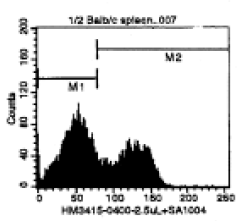
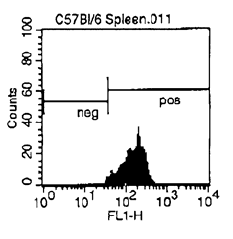
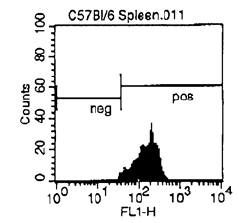



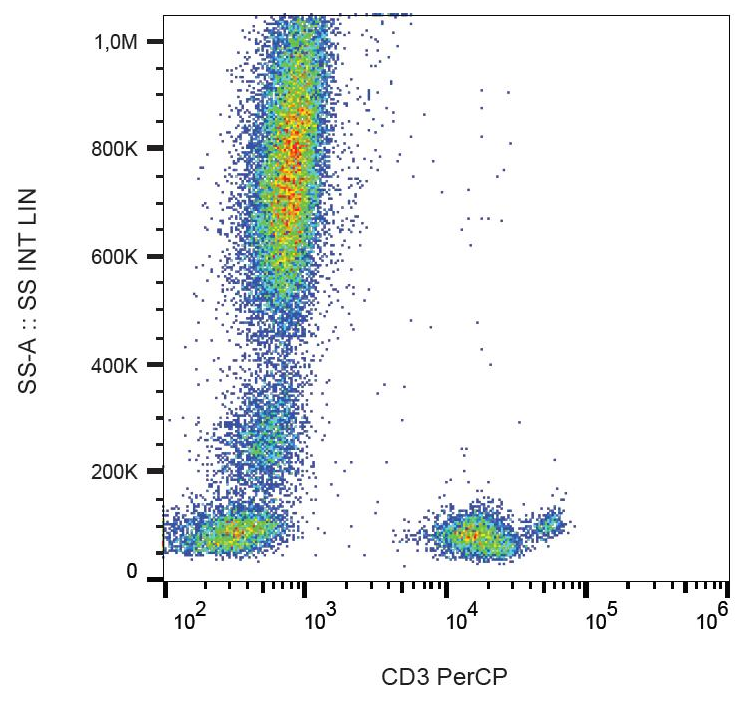
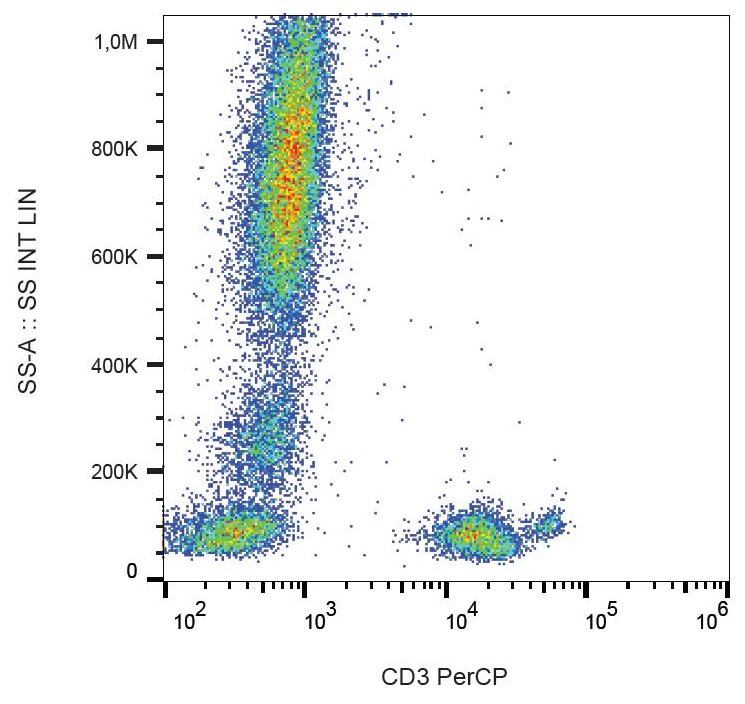
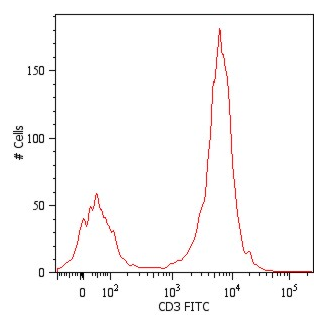
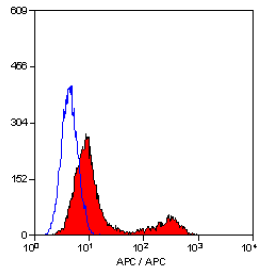

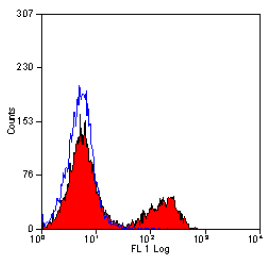
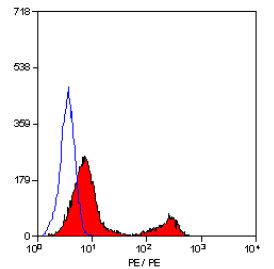

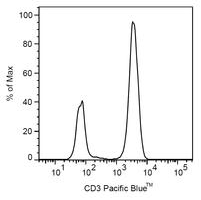

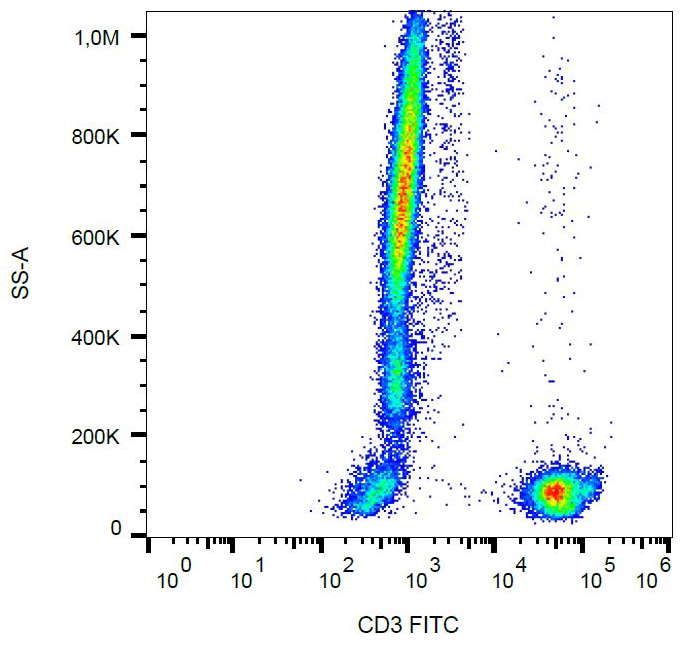

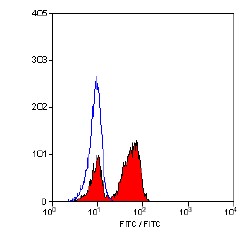

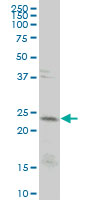
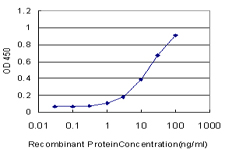

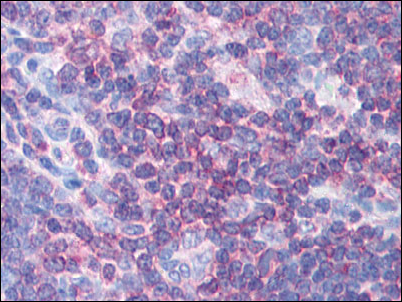
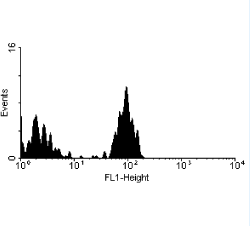
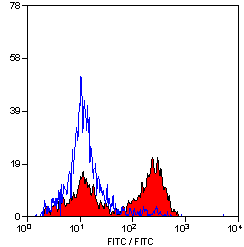
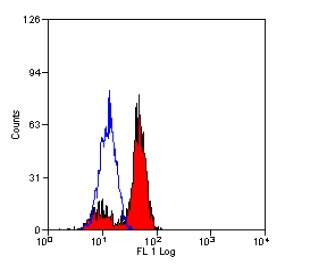
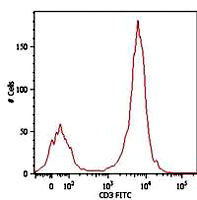
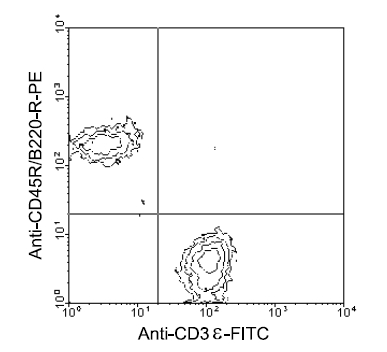
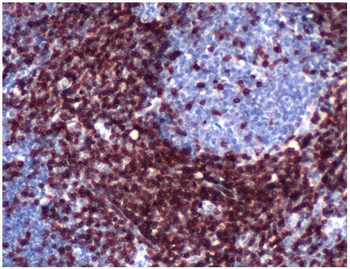

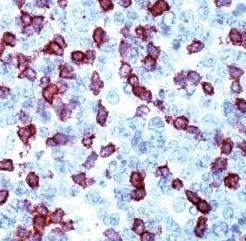
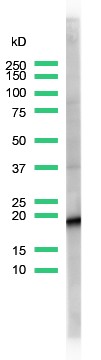

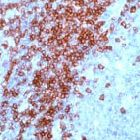
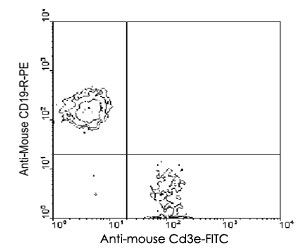

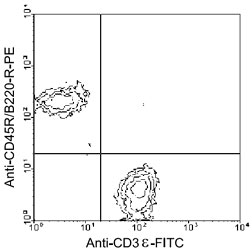
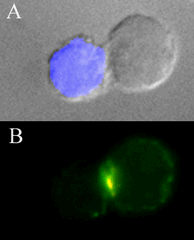
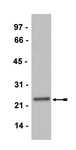
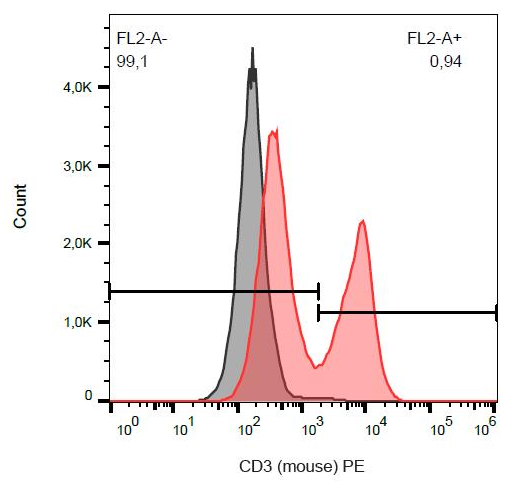
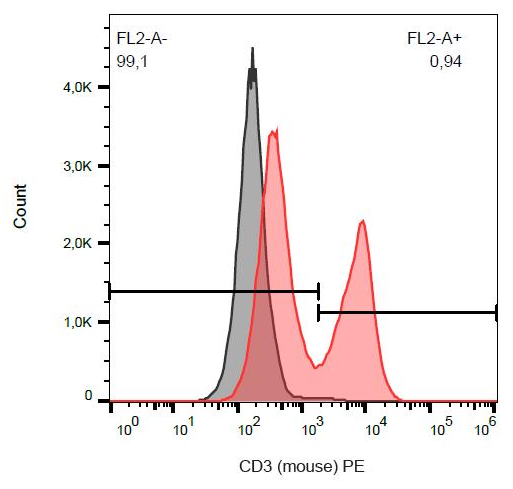
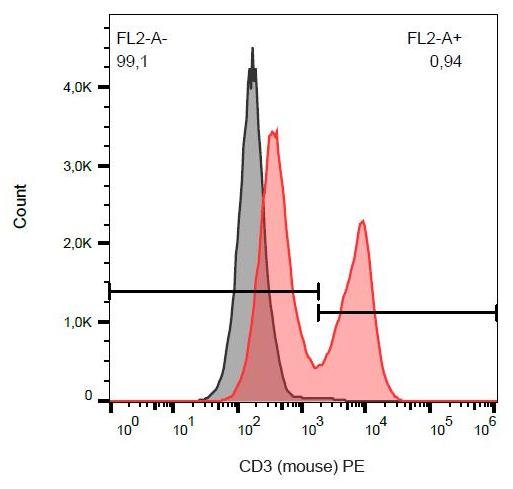
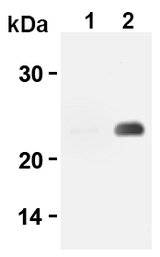
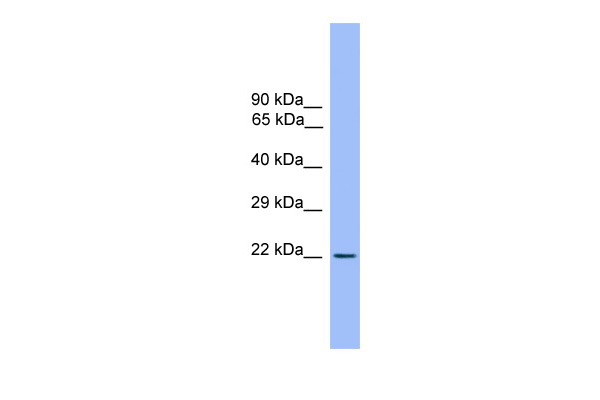
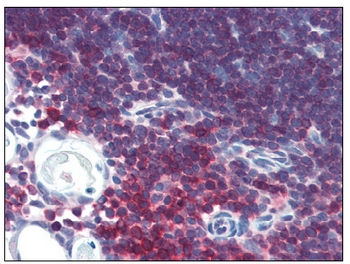
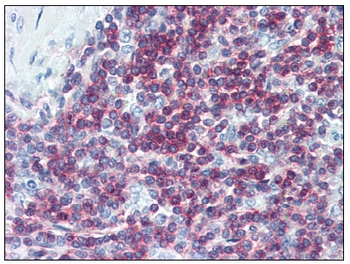
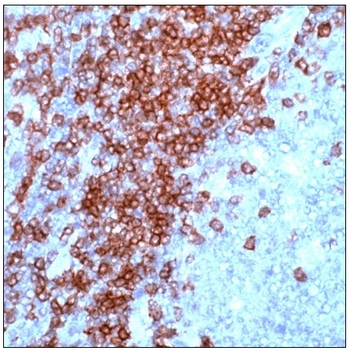
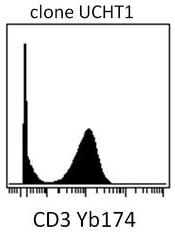
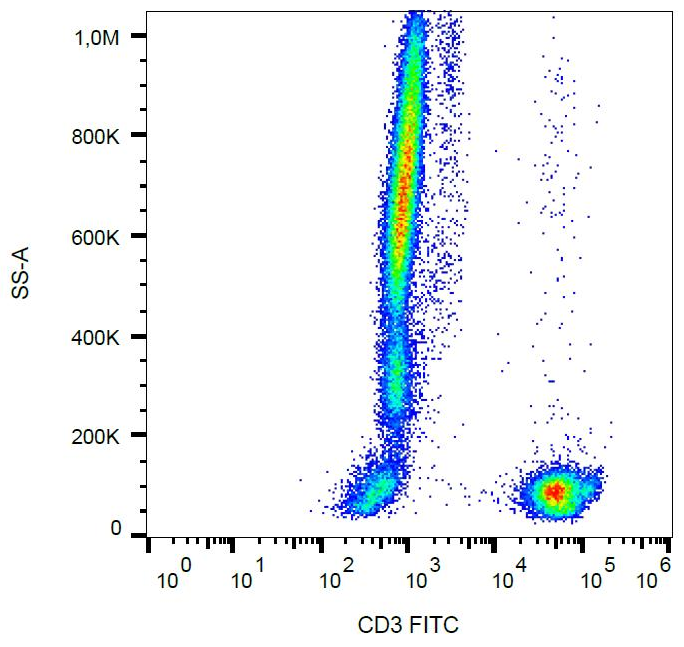

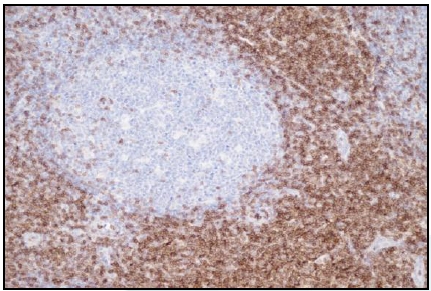
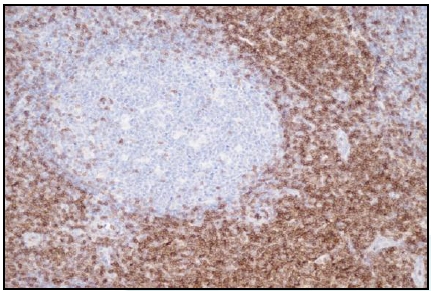

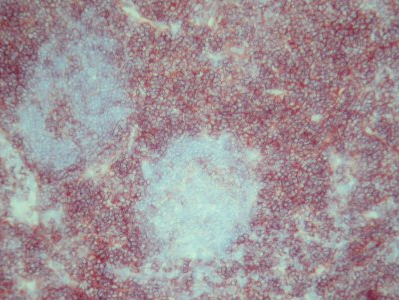
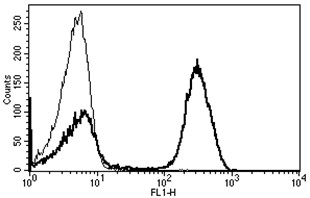
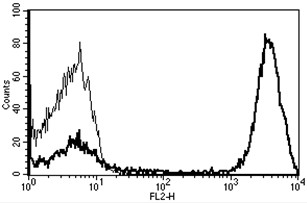
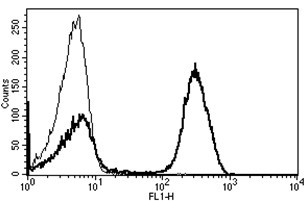
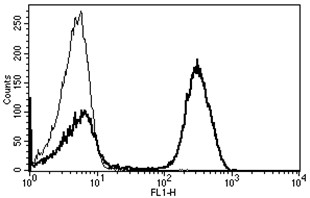
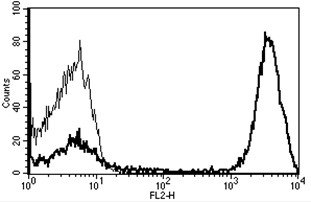
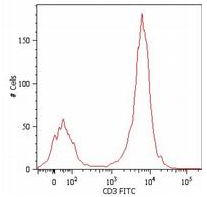
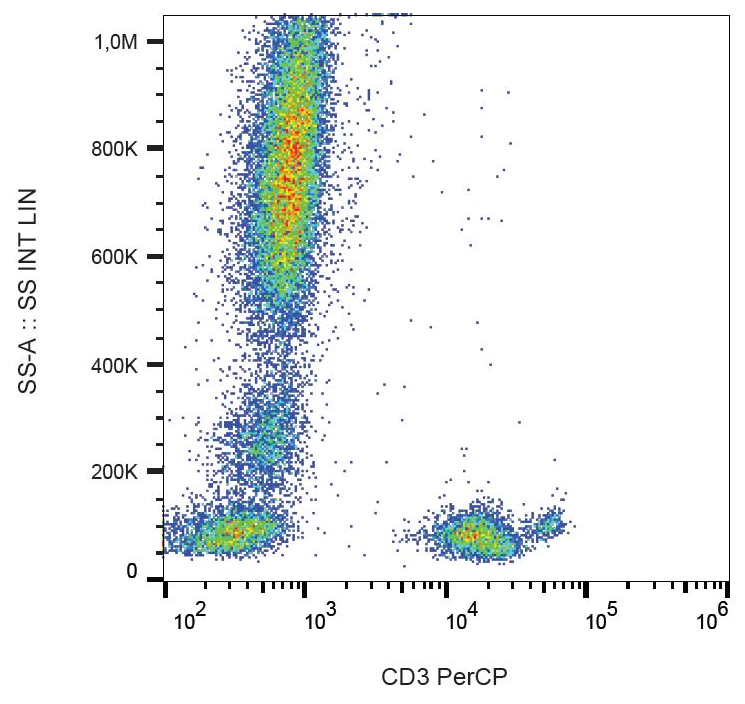
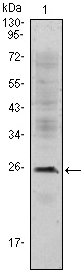
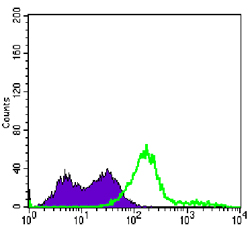




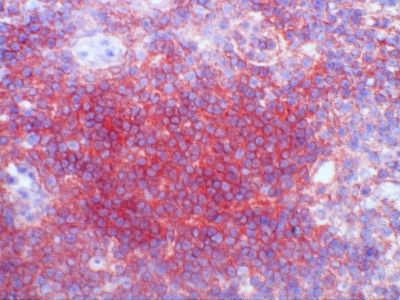
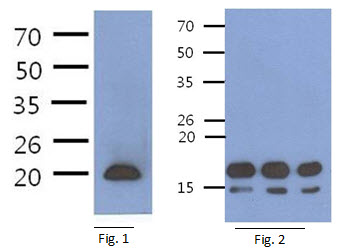
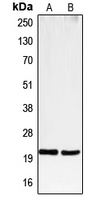
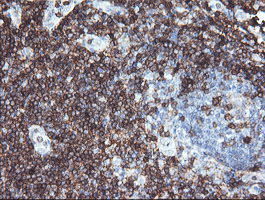
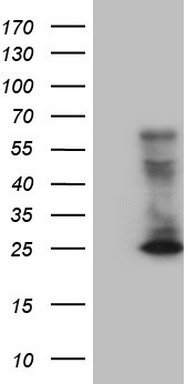
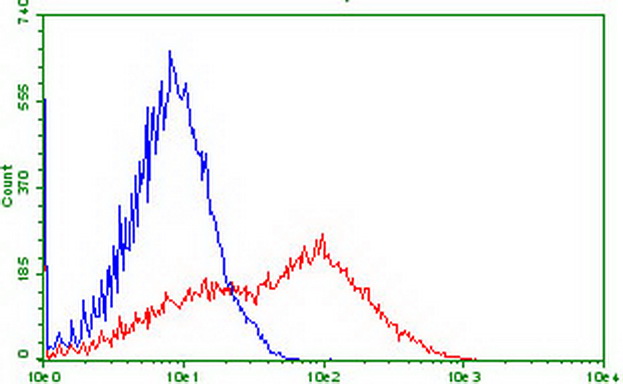
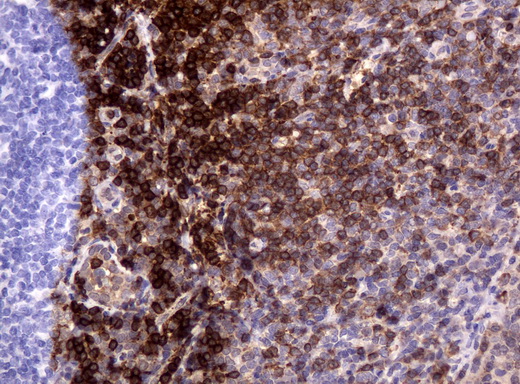
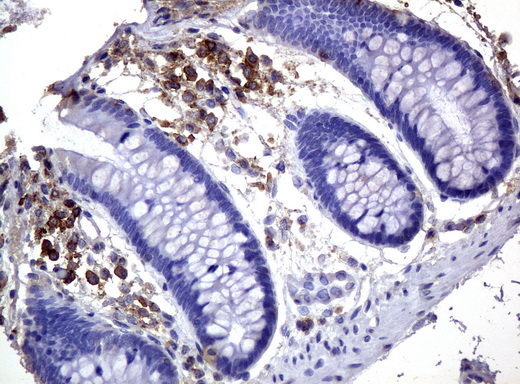
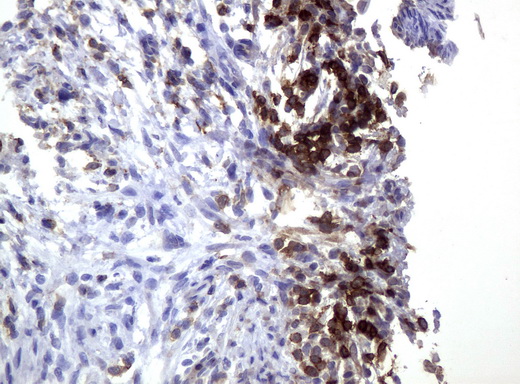
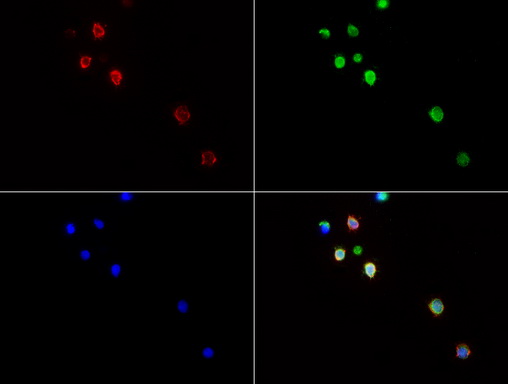

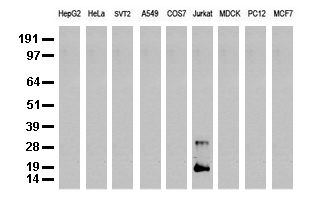

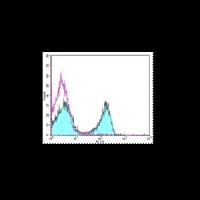
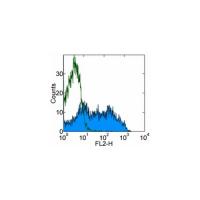
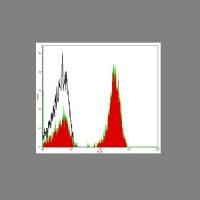
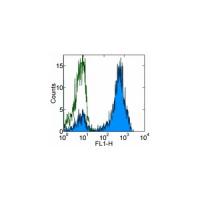
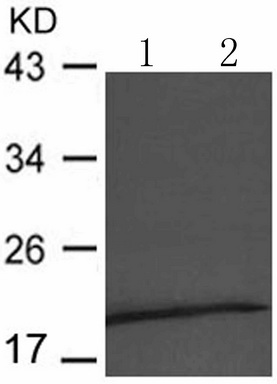
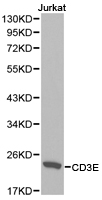
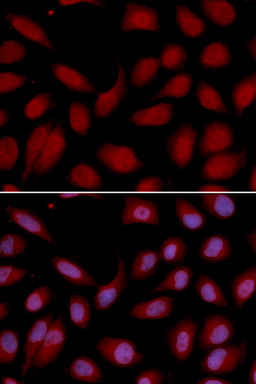
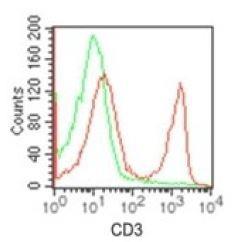
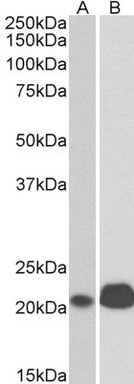
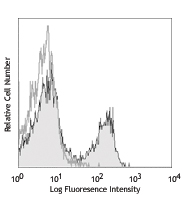

- Quick-Filters:
- Cited (4)
- Highly Validated (3)
- Overnight Delivery (1)

Primary Antibodies
| Catalog No. | Host | Iso. | Clone | Pres. | React. | Applications | |
|---|---|---|---|---|---|---|---|
| AM08104BT-N | CD3 antibody |
||||||
 |
Mouse | IgG1 | PPT3 | Biotin | Por | F |
0.5 mg /
€460.00
|
| OriGene Technologies GmbH | |||||||
Published recently! |
|||||||
| SM1754F | CD3 (Cytopl. Dom.) antibody |
||||||
 |
Rat | IgG1 | CD3-12 | FITC | Bov, Can, Chk, Eq, Hu, Mky, Por |
0.1 mg /
€490.00
|
|
| OriGene Technologies GmbH | |||||||
Published recently! |
|||||||
| SM1754P | CD3 (Cytopl. Dom.) antibody |
||||||
 |
Rat | IgG1 | CD3-12 | Purified | Can, Chk, Eq, Hu, Ms, Por | C, F, ICC/IF, P, WB |
0.2 mg /
€570.00
|
| OriGene Technologies GmbH | |||||||
 +2 additional images +2 additional images |
Published recently! |
||||||
| SM3152P | CD3 antibody |
||||||
|
Mouse | IgM | MEM-92 | Purified | Hu | F, FN, IP |
0.1 mg /
€220.00
|
| OriGene Technologies GmbH | |||||||
Published recently! |
|||||||
| UM500048 | CD3 antibody |
||||||
| CD3E mouse monoclonal antibody,clone UMAB54 | |||||||
 |
Mouse | IgG2b | UMAB54 | Purified | Hu | P |
0.1 ml /
€468.00
|
| OriGene Technologies, Inc. | |||||||
| +5 additional images |
Highly validated antibody!
|
||||||
| UM570048 | CD3 antibody |
||||||
| CD3E mouse monoclonal antibody,clone UMAB54 | |||||||
|
Mouse | IgG2b | UMAB54 | Purified | Hu | P |
30 µl /
€180.00
|
| OriGene Technologies, Inc. | |||||||
| +5 additional images |
Highly validated antibody!
|
||||||
| TA506064 | CD3 antibody |
||||||
| CD3E (CD3 epsilon) mouse monoclonal antibody, Clone , clone OTIE10 (formerly E10) | |||||||
 |
Mouse | IgG2b | OTIE10 | Purified | Can, Hu, Mky | ICC/IF, P, WB |
0.1 ml /
€379.00
|
| OriGene Technologies, Inc. | |||||||
| +4 additional images |
Highly validated antibody!
|
||||||
| TA320270 | CD3 antibody |
||||||
| Hamster Anti-Mouse CD3e Purified (500 ug) | |||||||
 |
Hamster | 145-2C11 | Purified | Ms | F, IP, P, WB |
0.5 mg /
€260.00
|
|
| OriGene Technologies, Inc. | |||||||
| TA320271 | CD3 antibody |
||||||
| Mouse Anti-Rat CD3 Purified (100 ug) | |||||||
 |
Mouse | eBioG4.18 (G4.18) | Purified | Rt | F, IP, P, WB |
0.1 mg /
€175.00
|
|
| OriGene Technologies, Inc. | |||||||
| TA320272 | CD3 antibody |
||||||
| Mouse Anti-Human CD3 Purified (100 ug) | |||||||
 |
Mouse | HIT3a | Purified | Hu | F |
0.1 mg /
€195.00
|
|
| OriGene Technologies, Inc. | |||||||
| TA320273 | CD3 antibody |
||||||
| Mouse Anti-Human CD3 Purified (100 ug) | |||||||
 |
Mouse | UCHT1 | Purified | Hu | F, P |
0.1 mg /
€175.00
|
|
| OriGene Technologies, Inc. | |||||||
| TA321191 | CD3 antibody |
||||||
| Anti-CD3E Rabbit Polyclonal Antibody | |||||||
 |
Rabbit | IgG | Purified | Hu, Ms, Rt | WB |
0.1 ml /
€335.00
|
|
| OriGene Technologies, Inc. | |||||||
| TA327165 | CD3 antibody |
||||||
| Rabbit anti-CD3E Polyclonal Antibody | |||||||
 |
Rabbit | IgG | Purified | Hu, Ms, Rt |
0.1 mg /
€335.00
|
||
| OriGene Technologies, Inc. | |||||||
| +1 additional image |
|||||||
| TA337189 | CD3 antibody |
||||||
| Armenian Hamster Monoclonal CD3 Antibody (145-2C11) | |||||||
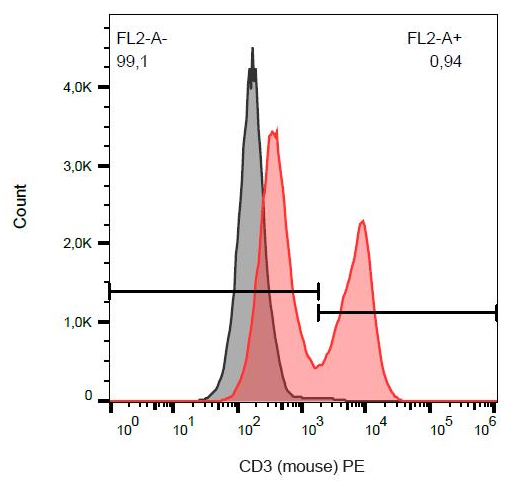
![Flow Cytometry: CD3 Antibody (145-2C11) [TA337189] - Analysis in Mosue splenocytes using 0.5 ug of antibody. (Red represents antibody)](https://m1.acris-antibodies.com/catalog/product/cache/1/small_image/50x50/9df78eab33525d08d6e5fb8d27136e95/OriGene/NBP2-30151-1-C.jpg) |
Hamster | IgG | 145-2C11 | Purified | Ms | F |
0.1 mg /
€415.00
|
| OriGene Technologies, Inc. | |||||||
| TA341374 | CD3 antibody |
||||||
| Goat Anti-CD3E (cytoplasmic) Polyclonal Antibody | |||||||
 |
Goat | Purified | Hu, Por, Rt | WB |
0.1 mg /
€360.00
|
||
| OriGene Technologies, Inc. | |||||||
| TA807198 | CD3 antibody |
||||||
| CD3 mouse monoclonal antibody, clone UCHT1 | |||||||
 |
Mouse | IgG1 | UCHT1 | Purified | Hu | F, WB |
0.1 ml /
€360.00
|
| OriGene Technologies, Inc. | |||||||
| +1 additional image |
|
||||||
| AM05170AC-N | CD3 antibody |
||||||
|
Mouse | IgG1 | M2AB | APC | Hu | F |
100 Tests /
€430.00
|
| OriGene Technologies GmbH | |||||||
| AM05528FC-N | CD3 antibody |
||||||
 |
Mouse | IgG1 | CA17.2A12 | FITC | Can | F |
0.1 mg /
€680.00
|
| OriGene Technologies GmbH | |||||||
| AM05528PU-L | CD3 antibody |
||||||
 |
Mouse | IgG1 | CA17.2A12 | Purified | Can | C, F, IP |
0.1 mg /
€430.00
|
| OriGene Technologies GmbH | |||||||
| AM06435SU-N | CD3 antibody |
||||||
 |
Mouse | IgG1 | 4E2 | Ascites | Hu | E, F, WB |
0.1 ml /
€380.00
|
| OriGene Technologies GmbH | |||||||
| +1 additional image |
|||||||