DEK antibody
Principal name
DEK antibody
Alternative names for DEK antibody
Protein DEK
Ncbi ID
NP_003463, NP_001128181, ABZ92195.1, NP_001128181.1, NM_025900, NM_001004255
Available reactivities
Available hosts
Available applications
Western blot / Immunoblot (WB), Enzyme Immunoassay (E), Immunocytochemistry/Immunofluorescence (ICC/IF), Flow Cytometry (F), Paraffin Sections (P)
Background of DEK antibody
Eukaryotic mRNAs exist in vivo as ribonucleoprotein particles (mRNPs). The protein components of mRNPs have important functions in mRNA metabolism, including effects on subcellular localization, translational efficiency and mRNA half-life. The pre-mRNA splicing can alter mRNP structure and thereby affect downstream mRNA metabolism. The spliceosome stably deposits several proteins on mRNAs as a single complex of approximately 335 kDa. This complex contain several components including the five components that make up the splicing-associated factors are SRm160, DEK and RNPS1, the mRNA-associated shuttling protein Y14 and the mRNA export factor REF (1). Human Daxx (360 kDa) is a protein that functions, in part, as a transcriptional co-repressor through its interaction with a growing number of nuclear, DNA-associated proteins including DEK, a chromatin-associated protein reported to change the topology of DNA in chromatin in vitro and negatively regulate the transcriptional activity.
Discrimination between splice sites and similar, non-splice sequences is essential for correct intron removal and messenger RNA formation in eukaryotes. DEK, a chromatin- and RNA-associated protein mutated or over-expressed in certain cancers, enforces 3’ splice site discrimination by 35 and 65 kDa subunits of U2AF. DEK phosphorylated at serines 19 and 32 associates with U2AF35, facilitates the U2AF35-AG interaction and prevents binding of U2AF65 to pyrimidine tracts not followed by AG. DEK and its phosphorylation are required for intron removal, but not for splicing complex assembly, which indicates that proofreading of early 3’ splice site recognition influences catalytic activation of the spliceosome (3). The DEK proto-oncogene has been associated with human carcinogenesis-either as a fusion with the CAN nucleoporin protein or when transcriptionally upregulated. Mechanisms of intracellular DEK functions, however, have remained relatively unexplored. The chromatin-associated protein DEK was first identified as a fusion protein in patients with a subtype of acute myelogenous leukemia and has been seen associated with a number of other ailments including cancer and autoimmune diseases. The C-terminal region in the Dek (309-375) can reverse the characteristic abnormal DNA-mutagen sensitivity in fibroblast form ataxia-telangiectasia (A-T) patients (2). Dek plays a critical role in cell survival; over-expression of DEK resulted in significant life span extension of primary human keratinocytes. DEK expression protects cancer and primary human cells from apoptotic cell death. Cell death in response to DEK depletion was accompanied by increased protein stability and transcriptional activity of the p53 tumor suppressor and consequent up-regulation of known p53 target genes such as p21CIP and Bax (4).
General readings
Orlic,M., et al., (2006) Genes Chromosomes Cancer 45 (1), 72-82
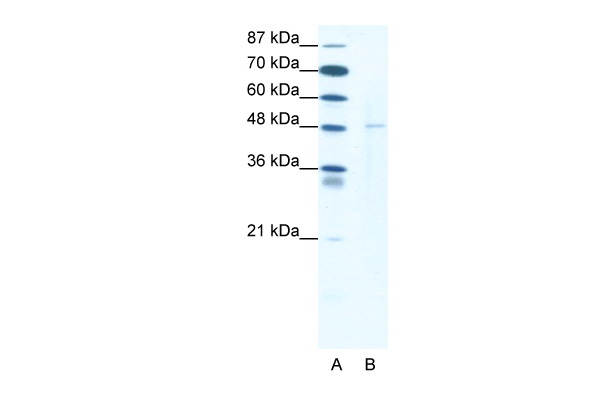

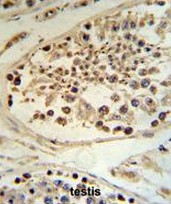
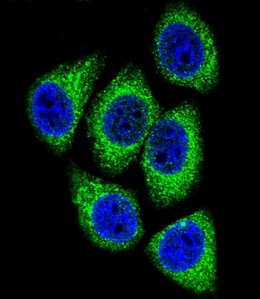
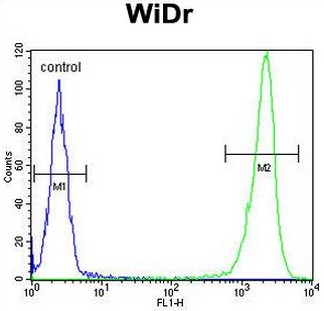

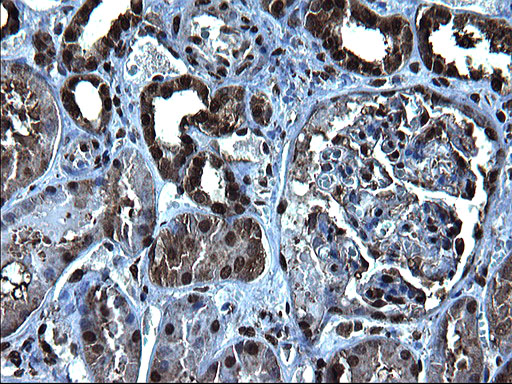
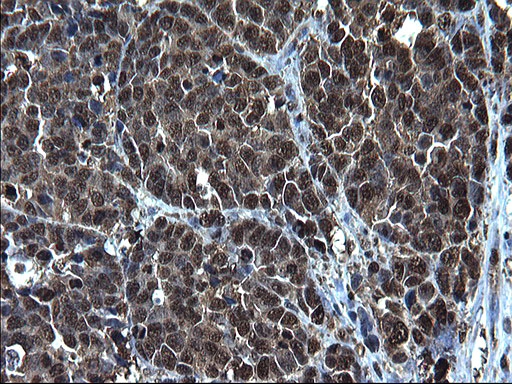
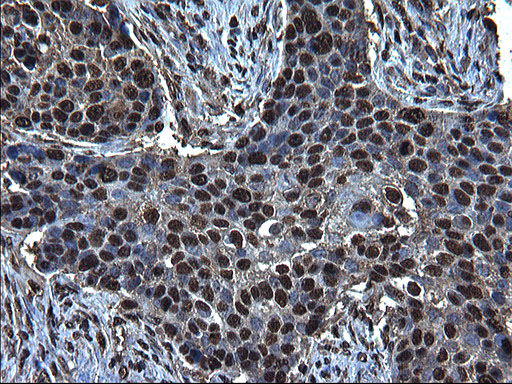
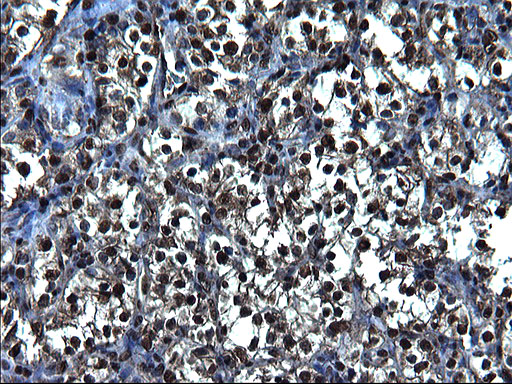

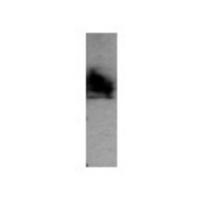
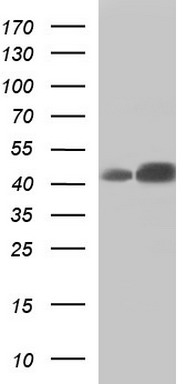
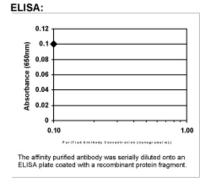
- Quick-Filters:
- Highly Validated (2)
Primary Antibodies
| Catalog No. | Host | Iso. | Clone | Pres. | React. | Applications | |
|---|---|---|---|---|---|---|---|
| TA590653 | DEK antibody |
||||||
| Rabbit Polyclonal DEK Antibody | |||||||
 |
Rabbit | IgG | Purified | Hu | E, P, WB |
0.1 mg /
€409.00
|
|
| OriGene Technologies, Inc. | |||||||
 +8 additional images +8 additional images |
Highly validated antibody! |
||||||
| AP51234PU-N | DEK (C-term) antibody |
||||||
 |
Rabbit | Ig | Aff - Purified | Hu | F, ICC/IF, P, WB |
0.4 ml /
€415.00
|
|
| OriGene Technologies GmbH | |||||||
| +3 additional images |
Highly validated antibody! |
||||||
Proteins & Growth Factors
| Catalog No. | Species | Pres. | Purity | Source | |
|---|---|---|---|---|---|
| TP305754 | DEK (transcript variant 1) |
||||
| Recombinant protein of human DEK oncogene (DEK), transcript variant 1 | |||||
 |
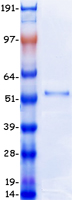
Human | > 80 % Preparation: Recombint protein was captured through anti-DDK affinity column followed by conventiol chromatography steps. Purity Detail: > 80% as determined by SDS-PAGE and Coomassie blue staining. |
HEK293 cells |
20 µg /
€748.00
|
|
| OriGene Technologies, Inc. | |||||
Mouse Lenti ORF Particles
| Catalog No. | ||
|---|---|---|
| MR205934L2V | Lenti ORF particles, Dek (GFP-tagged) - Mouse DEK oncogene (DNA binding) (Dek), 200 uL, >10^7 TU/mL |
|
 |
200 µl /
€930.00
|
|
| OriGene Technologies, Inc. | ||
| MR205934L1V | Lenti ORF particles, Dek (Myc-DDK-tagged) - Mouse DEK oncogene (DNA binding) (Dek), 200 uL, >10^7 TU/mL |
|
|
200 µl /
€830.00
|
|
| OriGene Technologies, Inc. | ||
Rat Lenti ORF Particles
| Catalog No. | ||
|---|---|---|
| RR207943L2V | Lenti ORF particles, Dek (GFP-tagged ORF) - Rat DEK oncogene (Dek), 200 uL, >10^7 TU/mL |
|
|
200 µl /
€930.00
|
|
| OriGene Technologies, Inc. | ||
| RR207943L1V | Lenti ORF particles, Dek (Myc-DDK-tagged ORF) - Rat DEK oncogene (Dek), 200 uL, >10^7 TU/mL |
|
|
200 µl /
€830.00
|
|
| OriGene Technologies, Inc. | ||