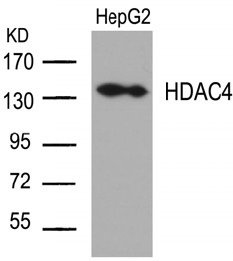
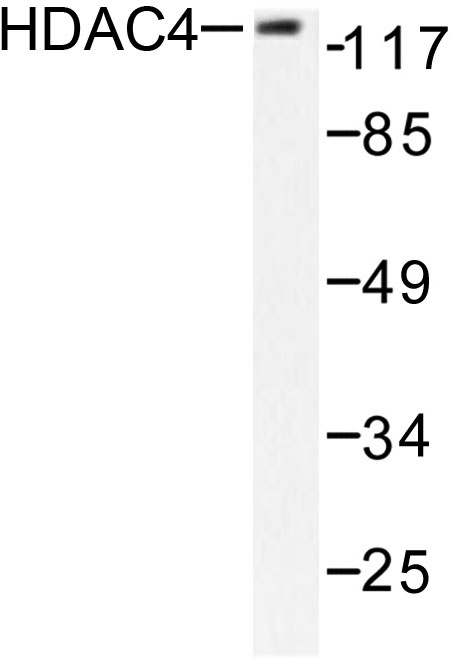
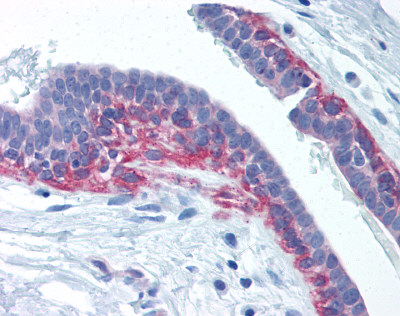
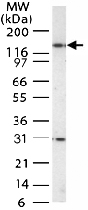
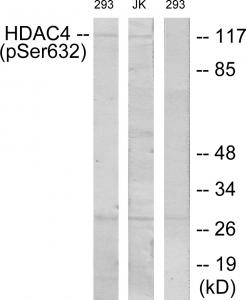
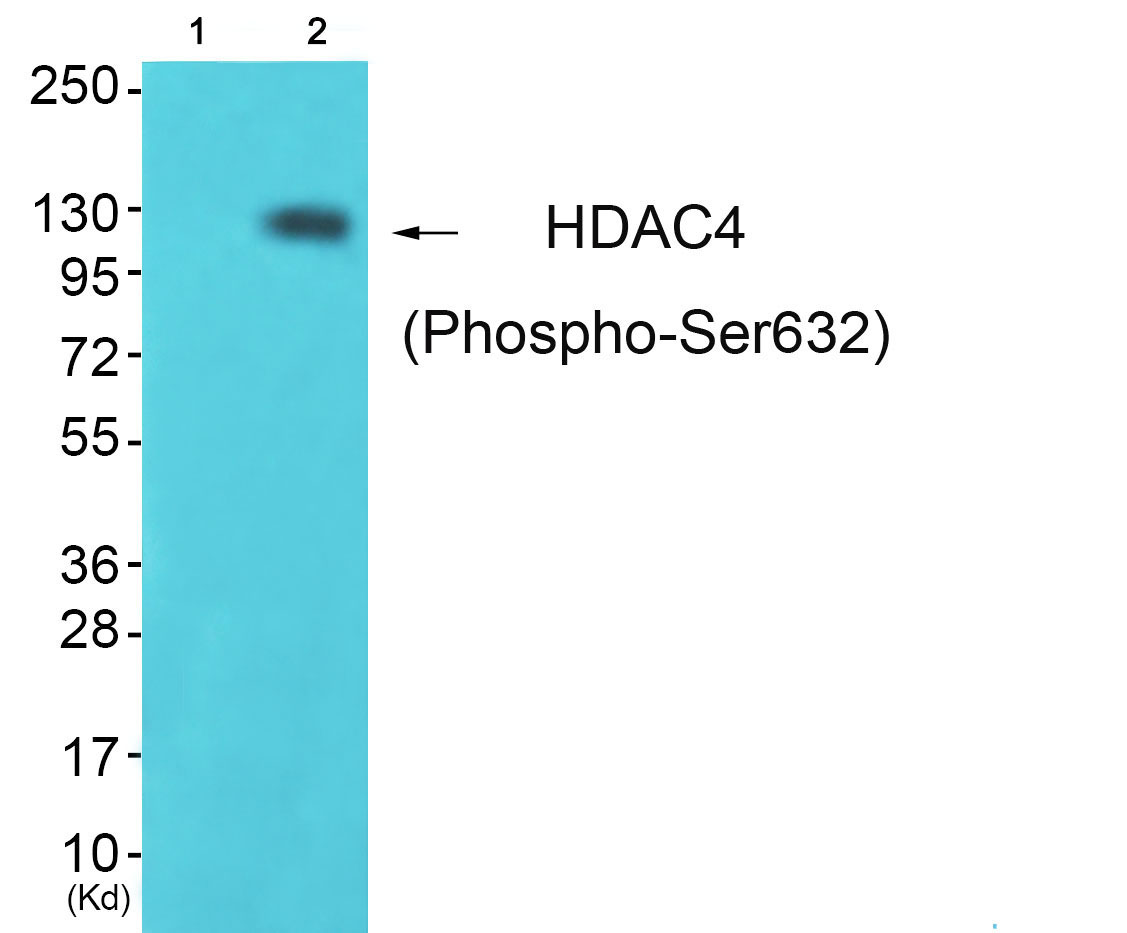
HDAC4 antibody
Principal name
HDAC4 antibody
Alternative names for HDAC4 antibody
Histone deacetylase 4, HD4, KIAA0288
Ncbi ID
NP_006028.2, 9606, NP_006028, AAH39904.1, NM_006037, NP_997108.1, NM_207225
Available reactivities
Available hosts
Available applications
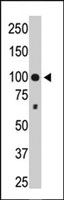
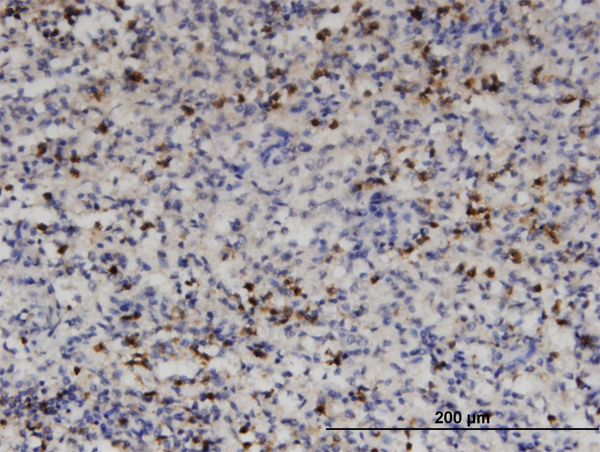
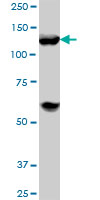
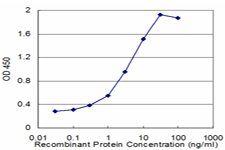
Western blot / Immunoblot (WB), Immunocytochemistry/Immunofluorescence (ICC/IF), Enzyme Immunoassay (E), Paraffin Sections (P), ChIP assay (ChIP), Immunoprecipitation (IP), ELISA (detection) (E(detection))
Background of HDAC4 antibody
Eukaryotic chromatin is composed of highly packed chromosomal DNA that is stabilized by many nuclear proteins. The chromatin DNA is constantly packed and unpacked during gene expression and is controlled a host of proteins. The acetylation of lysine residues in histones, and/or of transcription factors, is an important posttranslational mechanism of transcriptional regulation. The acetylated histone protein produced confirmation changes that confer accessibility of the homology to yeast sequences DNA template to the transcriptional machinery for protein expression. During damage to double stranded DNA, a number of proteins are recruited to nuclear foci including HDAC4, 53BP1 and Rad51 proteins. The HDAC4 gradually disappear from foci in repair proficient cells but linger on for some time in repair deficient cells suggesting that hDCA4 is linked to DNA repair (1). Silencing CA4 by SiRNA also resulted in decrease level of partner protein 53BP1 and abrogated DNA damage-induced G2 delay in radio sensitized HeLa cells (1). Nucleocytoplasmic trafficking is an important aspect of HDAC4 functioning, and binding of 14-3-3 proteins is necessary for its cytoplasmic retention. The N-terminal 118 amino acids modulate the nuclear localization but residues 244-279 constitute a strong nuclear localization signal. A hydrophobic motif located at C-terminus serves as nuclear export signal that is necessary for cytoplasmic retentionof HDAC4 (2).
Histone deacetylases (HDACs) catalyze the deacetylation of histone and non-histone substrates, and in general act to repress transcription as part of larger corepressor complexes. Eighteen mammalian HDACs have been identified to date, and they are grouped into four classes based on their respective homology to yeast deacetylases (3). The class II HDACs can be further subdivided into class IIa (HDAC4, -5, -7, and -9) and class IIb (HDAC6 and -10), based on the presence in class IIa members of conserved motifs in the N-terminal domain, and extended C terminal tails, that are essential in regulating their function (4). The HDCA4 is a transcriptional corepressor that exist in distinct corepressor complex than class I proteins and it shuttles between nucleus and cytoplasmic compartment involving active nuclear transport. In the nucleus, HDAC4 associates with the myocyte enhancer factor MEF2A. Binding of HDAC4 to MEF2A results in the repression of MEF2A transcriptional activation. HDAC4 has also been shown to interact with other deacetylases such as HDAC3 as well as the corepressors NcoR and SMART. HDCA4 has a direct role in proproliferation of colon cancer by Sp1-dependent recruitment of HDCA4 to the p21 promotor and acting in concert with HDAC4-HDCA3-N-CoR/SMART co repressor complex resulting in transcriptional repression (5).


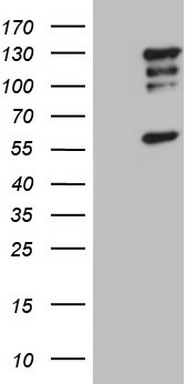
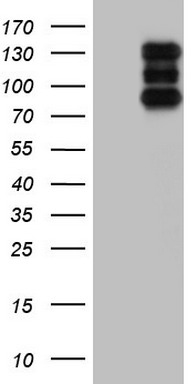
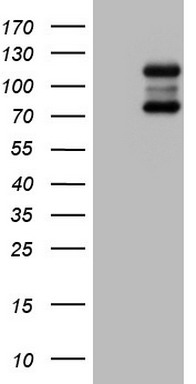
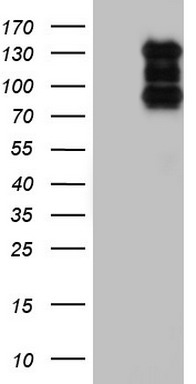

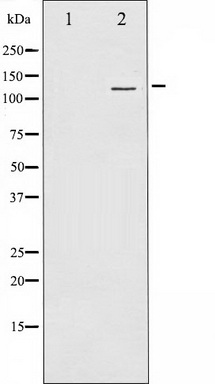
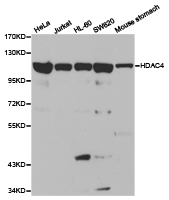
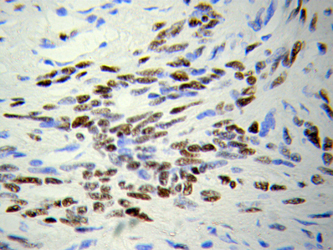
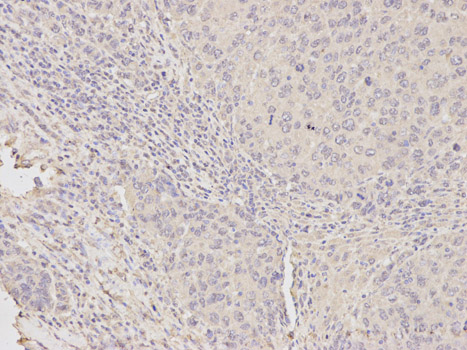
Primary Antibodies
| Catalog No. | Host | Iso. | Clone | Pres. | React. | Applications | |
|---|---|---|---|---|---|---|---|
| TA346963 | HDAC4 antibody |
||||||
| Mouse Monoclonal HDAC4 (N-terminus) Antibody | |||||||
 |
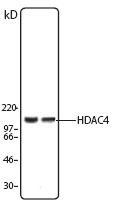
Mouse | IgG2a | 4A3-H7-C6 | Purified | WB |
0.1 ml /
€335.00
|
|
| OriGene Technologies, Inc. | |||||||
 +1 additional image +1 additional image |
|||||||

