PAK1 antibody
Principal name
PAK1 antibody
Alternative names for PAK1 antibody
PAK 1, PAK-1, Alpha-PAK, PAK alpha, p21-activated kinase 1, p65-PAK, Serine/threonine-protein kinase PAK 1
SwissProt ID
O88643 (Mouse), P35465 (Rat), P38990 (Yeast), Q08E52 (Bovin), Q13153 (Human), Q17850 (Caeel)
Ncbi ID
NP_001122092.1, NP_001122092, 9606, NP_058894, 10116, NM_002576, NP_002567.3, NM_001128620, NM_017198, NP_058894.1
Available reactivities
Available hosts
Available applications
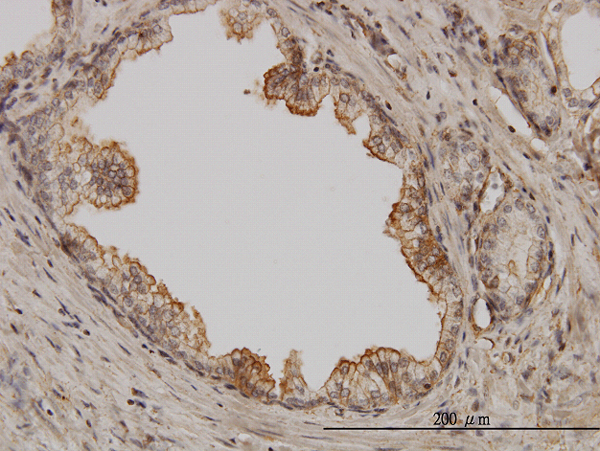
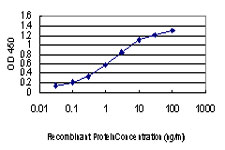
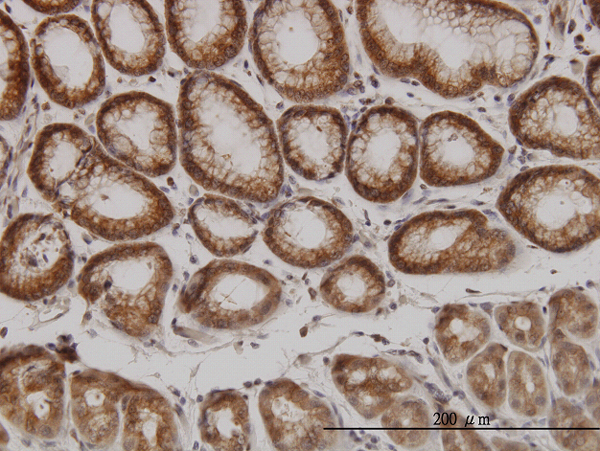
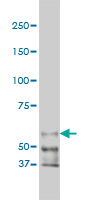
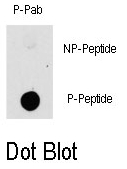
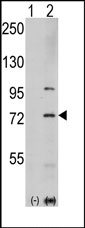
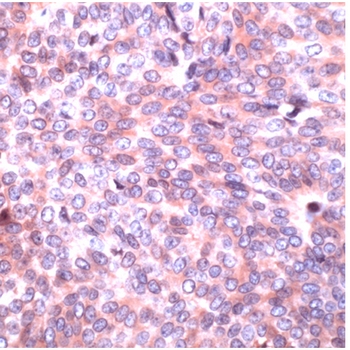
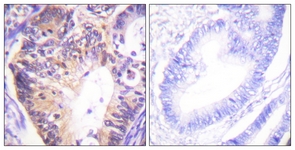
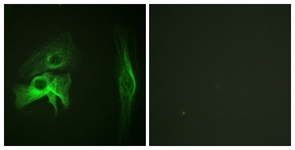
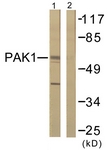
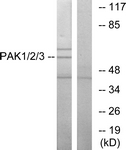
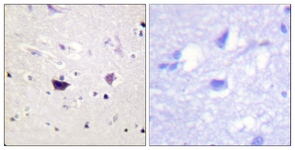
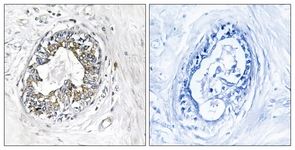
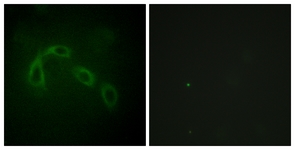
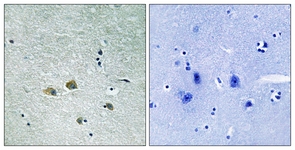
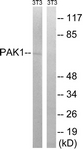
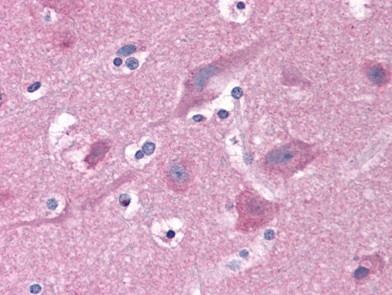
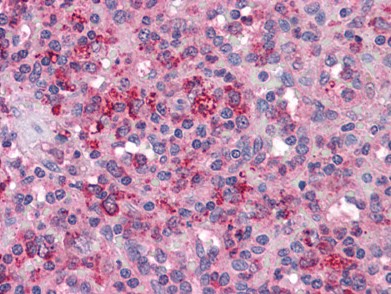
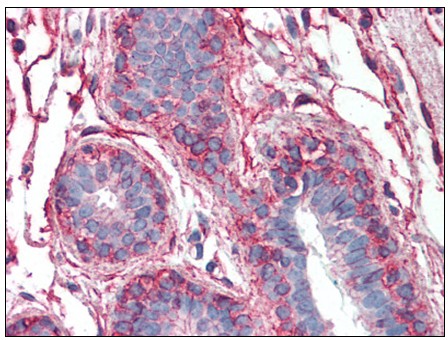
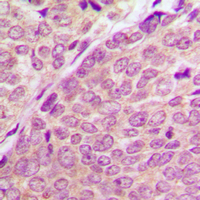
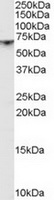
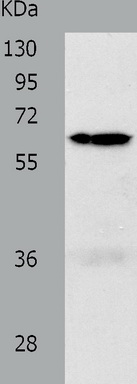
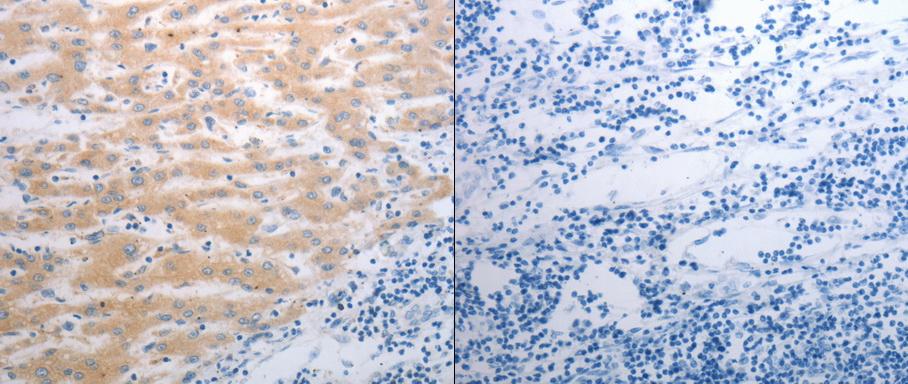
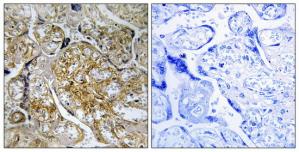
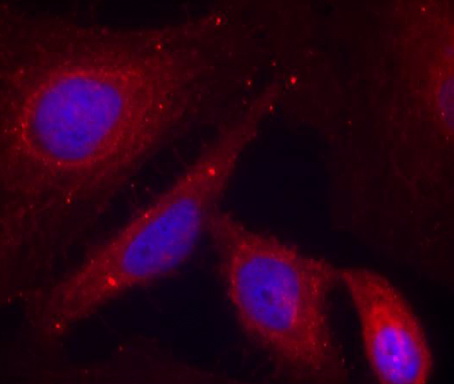
Immunoprecipitation (IP), Western blot / Immunoblot (WB), Enzyme Immunoassay (E), Paraffin Sections (P), Immunocytochemistry/Immunofluorescence (ICC/IF), Dot blot (Dot), ELISA (detection) (E(detection)), Frozen Sections (C)
Background of PAK1 antibody
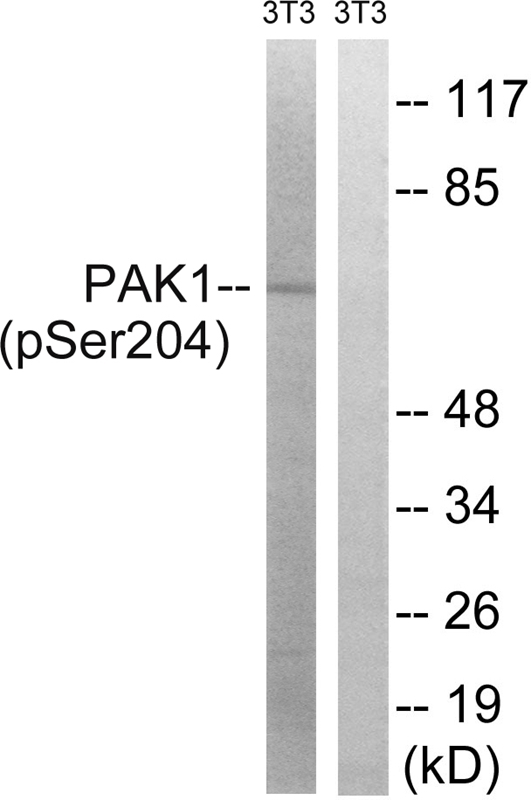
A brain serine threonine protein kinase is a target for p21 ras related proteins Cdc42 and Rac1. p21-activated kinases (PAKs) bind to and are activated by Rho family GTPases such as Cdc42 and Rac. These GTPases play key roles in regulating cell polarity, stress responses, and cell cycle progression (1). Stiochiometeric analyses using purified Rac and PAK suggest that Rac binds to PAK with high affinity in a 1:1 ratio. The kinase complexes specifically with aGTP bound activated p21, inhibiting the p21 activity and leading to activation and auto-phosphorylation of p65pak (2). Three isoforms of p21-activated serine/threonine kinases, PAK68, PAK65 and PAK62, were found in both cytosolic & membrane fraction, & their contents were significantly increased during induced retinoic acid differentiation of human promyelocytic leukemia HL60 cell (3). The content of PAK65 or Rac is not evident in plasma membrane fraction of cells form un-differentiated cells (2).
Constitutively activated Pak1 also suppress the activity of scavenger receptor class B, type 1 (SB-B1) in macrophage cell line RAW264.7, an action similar to LPS (4). Mutational studies with PAK1 also suggest that SR-B1 receptor down regulation involves binding to Rac and Cdc42. In mammalian cells, hyper osmotic shocks can induce apoptotic cell death. It is suggested that hyper osmotic shock can induce cleavage for PAK2 to produce a 36kDa kinase, which is the result of DNA fragmentation and activation of ICE/CED-3 family cysteine proteases termed caspases-3.
General readings
1、 Brown JL, Stowers L, Baer M, Trejo J, Coughlin S, Chant J (Mar 1997). "Human Ste20 homologue hPAK1 links GTPases to the JNK MAP kinase pathway". Curr Biol 6 (5): 598–605.
2、 Bekri S, Adelaide J, Merscher S, Grosgeorge J, Caroli-Bosc F, Perucca-Lostanlen D, Kelley PM, Pebusque MJ, Theillet C, Birnbaum D, Gaudray P (Apr 1998). "Detailed map of a region commonly amplified at 11q13-->q14 in human breast carcinoma". Cytogenet Cell Genet 79 (1–2): 125–31.
3、"Entrez Gene: PAK1 p21/Cdc42/Rac1-activated kinase 1 (STE20 homolog, yeast)".
4、 Bekri, S., Adelaide, J., Merscher, S., Grosgeorge, J., Caroli-Bosc, F., Perucca-Lostanlen, D., Kelley, P. M., Pebusque, M.-J., Theillet, C., Birnbaum, D., Gaudray, P. Detailed map of a region commonly amplified at 11q13-q14 in human breast carcinoma. Cytogenet. Cell Genet. 79: 125-131, 1997.

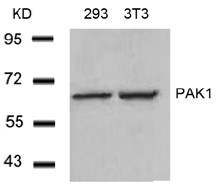


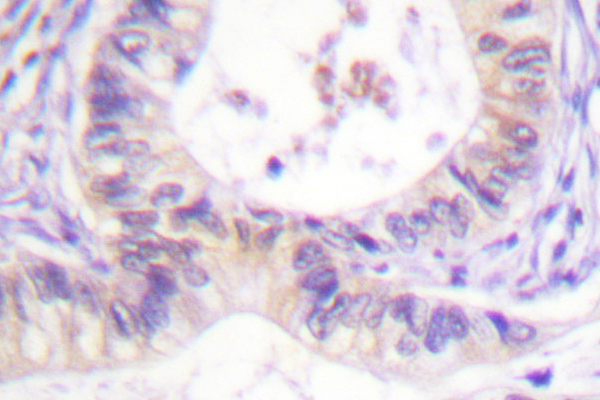
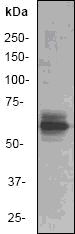



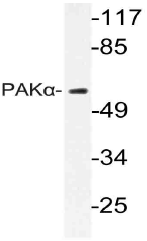
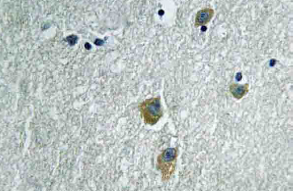
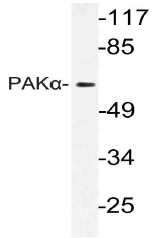
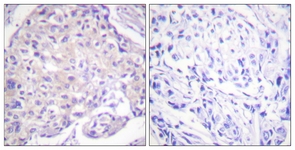






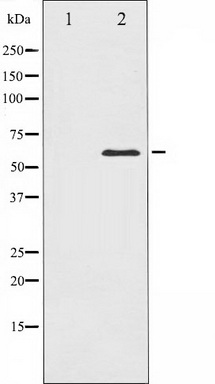
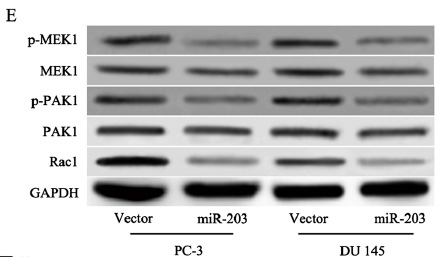

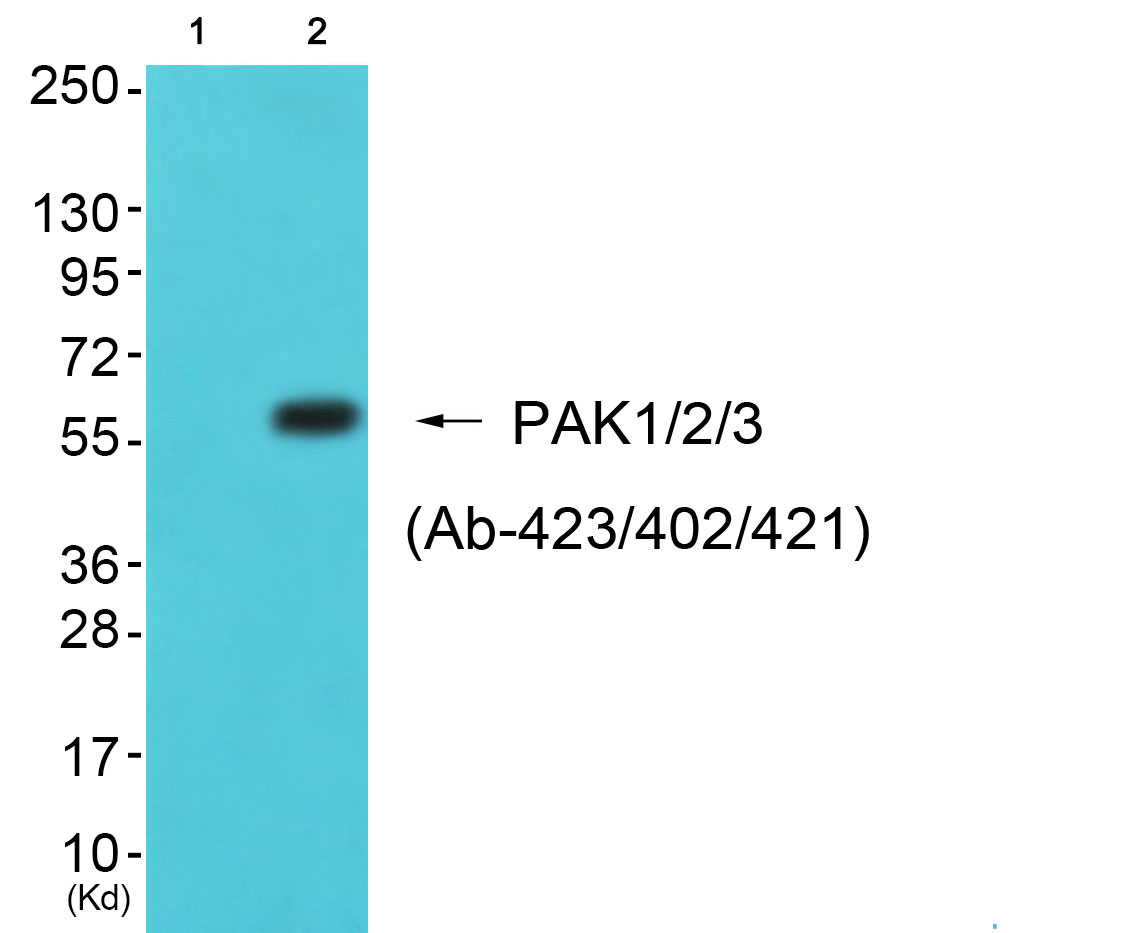
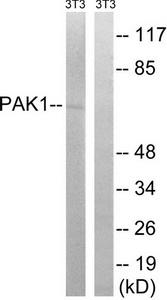
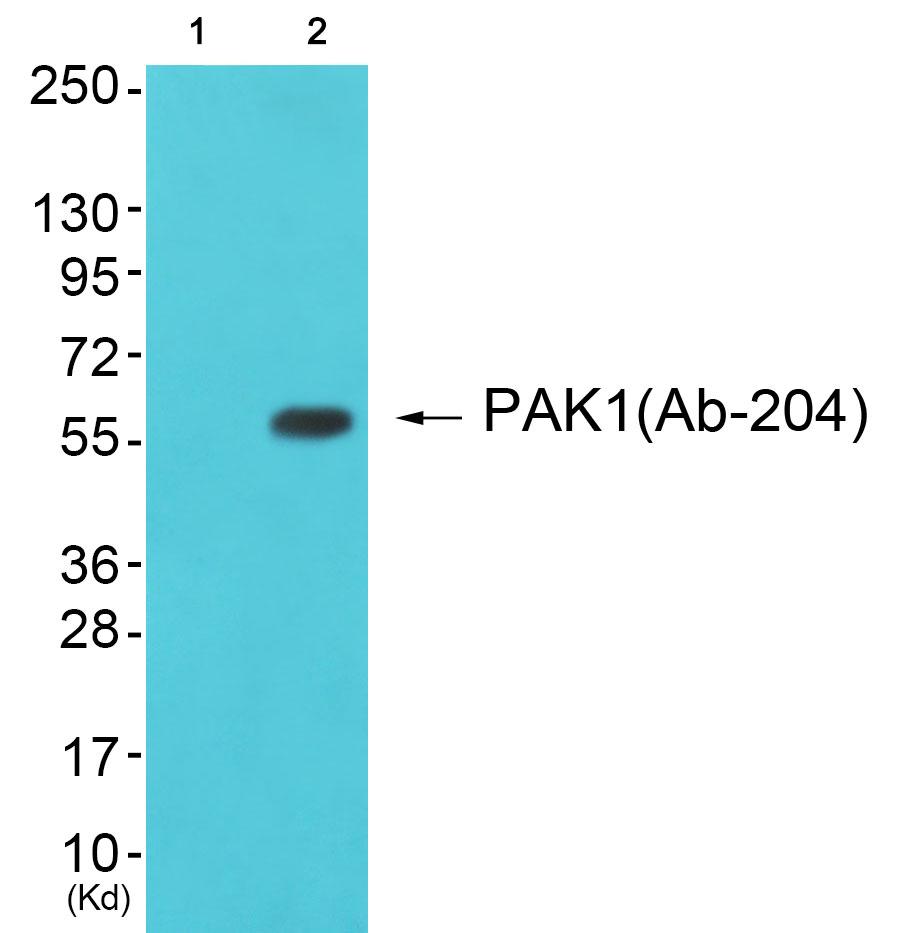

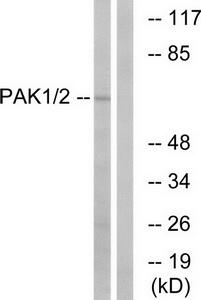
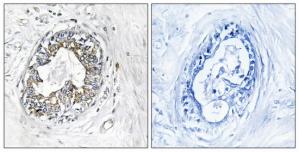
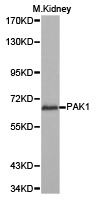



Lysates
| Catalog No. | ||
|---|---|---|
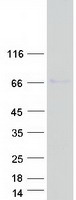
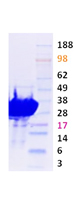
| LY426982 | PAK1 overexpression lysate |
|
 |
0.1 mg /
€315.00
|
|
| OriGene Technologies, Inc. |