PCSK9 antibody
Principal name
PCSK9 antibody
Alternative names for PCSK9 antibody
PCSK-9, NARC1, Proprotein convertase subtilisin/kexin type 9, Proprotein convertase PC9, Subtilisin/kexin-like protease PC9, Neural apoptosis-regulated convertase 1, NARC-1
Ncbi ID
9606, NP_777596, NP_777596.2, NP_705793, AAI66619.1, NP_705793.1, NM_174936, NM_153565, NM_199253
Available reactivities
Available hosts
Available applications
Enzyme Immunoassay (E), Western blot / Immunoblot (WB), Paraffin Sections (P), Frozen Sections (C), Immunocytochemistry/Immunofluorescence (ICC/IF)
Background of PCSK9 antibody
The Neural apoptosis-regualted convertase 1 (NARC1) is encoded by gene proprotein convertase subtilsin kexin Type 9 (PCSK9) and is known to play a role in cholesterol homeostasis and is implicated in the differentiation of cortical neurons.. Proprotein convertase subtilisin/kexin type 9 (PCSK9) causes a third form of autosomal dominant hypercholesterolemia. NARC1 along with other known apoptotic mediators (caspase-3 and death receptor 6) are co-regulated and their mRNA levels are induced in cerebellar granule neurons after apoptotic injury. The NARC1 have significant pro-apoptotic effects that are partially reversed by polycaspase inhibitor BAF (1). Loss of function mutations (c.43_44insCTG) in the PCSK9 gene caused an in-frame insertion in African American and Caucasian population is associated with the etiology of familial hypobetalipoproteinemia (FHBL). This inframe mutation in NARC1 gene is involved in lowering cholesterol in the general population (2). This suggests that the variants of PCSK9 found in FH influence the secretion of apoB-containing lipoproteins, providing an explanation for the marked increase in circulating LDL in heterozygous carriers.
NARC1 is a 692 amino acid protein, expressed in neuro-epithelioma, colon carcinoma, hepatic and pancreatic cell lines and in Schwan cells. The NARC1 mRNA is abundantly expressed in yolk sac and fetal liver, but the highest protein levels are found in differentiated FOA-1 cells which also exhibit highest levels of LDL receptor levels. The cellular levels of NARC1 in ER and intermediate vesicular compartment are reduced by cholesterol and 25-Hydroxy-cholesterol and up-regulated in tandem with HMG-CoA reductase, synthase and LDLR in the presence of steroids (3). The NARC1 is processed in the ER and secreted in the plasma. The NARC 1 gene encodes a novel proteinase K family proteinase. The domain structure of rat Narc 1 resembles that of the subtilisin-like proprotein convertases (SPCs), except that rNarc 1 lacks the canonical P-domain of SPCs, retaining only the RGD motif as part of what might be a cryptically functioning P-domain. NARC1 undergoes autocatalytic intramolecular processing at the site LVFAQ/, resulting in the cleavage of its pro-segment and the generation of an active proteinase with a broad alkaline pH optimum and no apparent calcium requirement for activity (4).
General readings
1. Kwon HJ, Lagace TA, McNutt MC, Horton JD, Deisenhofer J, Molecular basis for LDL receptor recognition by PCSK9. Proc. Natl. Acad. Sci. U.S.A. 2008 Feb 105 (6): 1820-5.
PMID: 18250299



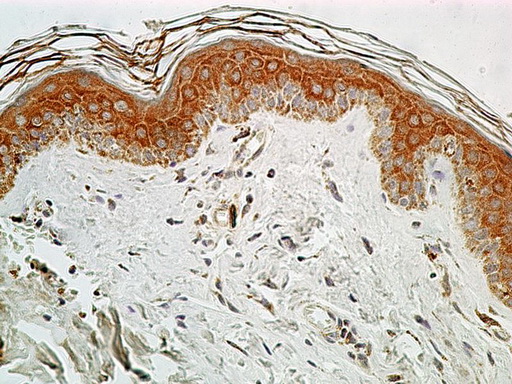
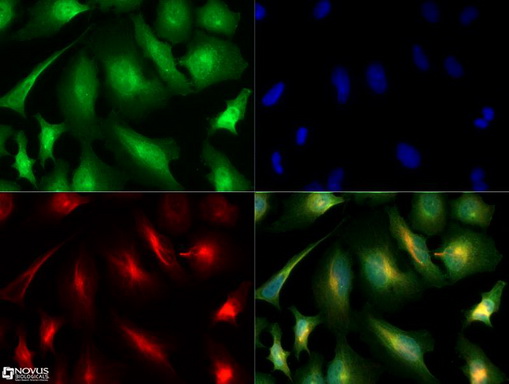
- Quick-Filters:
- Highly Validated (1)
Primary Antibodies
| Catalog No. | Host | Iso. | Clone | Pres. | React. | Applications | |
|---|---|---|---|---|---|---|---|
| TA337207 | PCSK9 antibody |
||||||
| Rabbit Polyclonal Proprotein Convertase 9/PCSK9 Antibody | |||||||
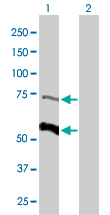
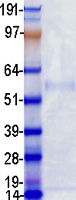
![Western Blot: PCSK9 Antibody [TA337207] - WB detection of PCSK9 partial recombinant protein by using PCSK9 antibody at a concentration of 0.5 ug/ml.](https://m1.acris-antibodies.com/catalog/product/cache/1/small_image/50x50/9df78eab33525d08d6e5fb8d27136e95/OriGene/NBP2-31364-1-W.jpg) |
Rabbit | Purified | Hu | C, ICC/IF, P, WB |
0.1 mg /
€335.00
|
||
| OriGene Technologies, Inc. | |||||||
 +3 additional images +3 additional images |
Highly validated antibody! |
||||||