REG1A antibody
Principal name
REG1A antibody
Alternative names for REG1A antibody
REG1A, PSPS, REG, Lithostathine-1-alpha, Pancreatic stone protein, PSP, Pancreatic thread protein, PTP, Islet of Langerhans regenerating protein, Regenerating protein I alpha, Islet cells regeneration factor, ICRF
SwissProt ID
P05451 (Human)
Gene ID
5967 (REG1A)
Ncbi ID
Available reactivities
Available hosts
Available applications
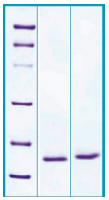
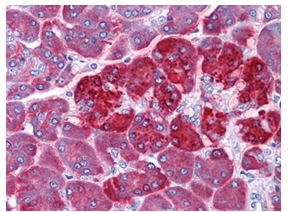
Enzyme Immunoassay (E), Immunocytochemistry/Immunofluorescence (ICC/IF), Paraffin Sections (P), Western blot / Immunoblot (WB)
Background of REG1A antibody
Reg protein was shown to be stimulated during the regeneration of pancreatic islets. Since then, many Regrelated proteins have been identified in humans and other animals. In human, the four REG family genes, i.e., REG 1 alpha, REG 1 beta, REG-related sequence (RS) and HIP/PAP, have so far been isolated. These Regrelated proteins are classified into four subfamilies according to their amino-acid sequences, but they share a similar structure and physiological function. Reg protein is a growth factor for pancreatic beta cells and also suggest that the administration of Reg protein could be used as another therapeutic approach for diabetes mellitus. human REG cDNA which encoded a 166-amino acid protein with a 22-amino acid signal peptide. The amino acid sequence of human REG protein has 68% homology to that of rat Reg protein. Reg I was found to be expressed mainly in pancreatic beta and acinoductular cells as well as gastric fundic enterochromaffin-like (ECL) cells. Reg I production in ECL cells is stimulated by gastrin, as well as by the proinflammatory cytokine, cytokine-induced neutrophil chemoattractant (CINC)-2Beta. In patients with chronic hypergastrinemia, Reg production is stimulated, with the increased proliferation of gastric mucosal cells. Patients with Helicobacter pylori infection also showed increased Reg production in the gastric mucosa, partly via increased plasma gastrin concentration and partly via increased proinflammatory cytokine production. The serum concentration of the reg-protein was significantly higher in patients with various pancreatic diseases than in normal controls, and was also significantly higher in patients with acute pancreatitis or chronic relapsing pancreatitis than in patients with chronic pancreatitis. Furthermore, the serum PSP/reg-protein concentration was also significantly increased in liver cirrhosis, choledocholithiasis, and various cancers of the digestive system.



Primary Antibodies
| Catalog No. | Host | Iso. | Clone | Pres. | React. | Applications | |
|---|---|---|---|---|---|---|---|
| AM06344SU-N | REG1A antibody |
||||||
 |
Mouse | IgG1 | 1A4 | Ascites | Hu | E, ICC/IF, P |
0.1 ml /
€380.00
|
| OriGene Technologies GmbH | |||||||
 +1 additional image +1 additional image |
|||||||
Proteins & Growth Factors
| Catalog No. | Species | Pres. | Purity | Source | |
|---|---|---|---|---|---|
| TP302773 | REG1A |
||||
| Recombinant protein of human regenerating islet-derived 1 alpha (REG1A) | |||||
 |
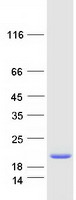
Human | > 80 % Preparation: Recombint protein was captured through anti-DDK affinity column followed by conventiol chromatography steps. Purity Detail: > 80% as determined by SDS-PAGE and Coomassie blue staining. |
HEK293 cells |
20 µg /
€748.00
|
|
| OriGene Technologies, Inc. | |||||
| TP720438 | REG1A |
||||
| Recombinant protein of human regenerating islet-derived 1 alpha (REG1A) | |||||
 |
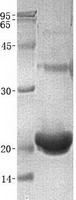
Human | > 95 % Preparation: . Purity Detail: >95% as determined by SDS-PAGE and Coomassie blue staining. |
HEK293 cells |
10 µg /
€299.00
|
|
| OriGene Technologies, Inc. | |||||
| PA532 | REG1A (His-tagged Fusion Protein) |
||||
 |
Human | Purified | > 95 % Determined by densitometric image analysis | E. coli |
0.1 mg /
€490.00
|
| OriGene Technologies GmbH | |||||