WNT3 antibody
Principal name
WNT3 antibody
Alternative names for WNT3 antibody
Proto-oncogene protein Wnt-3, INT4, INT-4
Ncbi ID
Available reactivities
Available hosts
Available applications
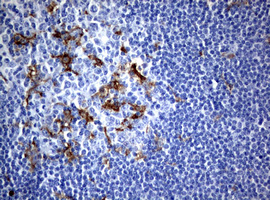
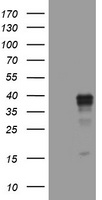
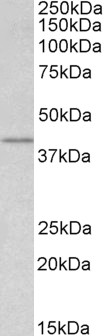
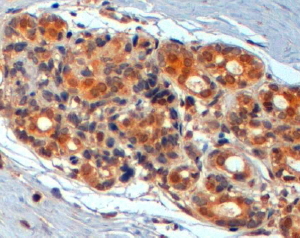
Enzyme Immunoassay (E), Western blot / Immunoblot (WB), ELISA (detection) (E(detection)), Paraffin Sections (P), Immunocytochemistry/Immunofluorescence (ICC/IF)
Background of WNT3 antibody
Wnts have diverse roles in governing cell fate, proliferation, migration, and polarity during development, particularly in embryogenesis and carcinogenesis. WNTs are transduced through at least three distinct intracellular signaling pathways, including the canonical Wnt/b-catenin, Wnt/Ca2+ and Wnt polarity pathways. Distinct sets of Wnt and Frizzled ligand-receptor pairs activate each of these pathways and lead to unique cellular responses. Wnt3 is expressed in embryonic mouse brain (with peak expression at around day 12 of gestation) and at low levels in the adult.
It is present in the cerebellum during mouse development, and is restricted to the Purkinje cell layer in the adult mouse. Wnt3 is required for normal limb development and plays an important role in the establishment of the apical ectodermal ridge. In motorneurons, Wnt3 is a retrograde signal that controls terminal branching of muscle afferents. Wnt3 is highly expressed in human cancer cell lines including A549 (lung cancer), MKN45 (gastric cancer) and MCF7 (breast cancer).
Wnt3 and Wnt3a are nearly 90% identical at the amino acid level.
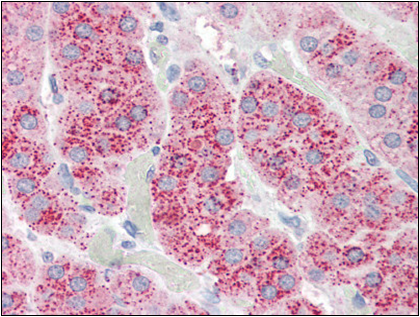
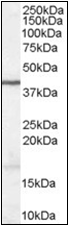
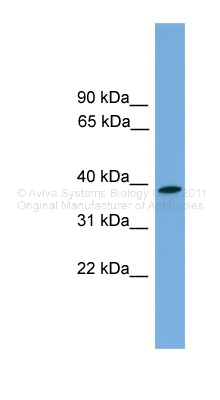

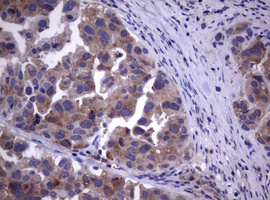
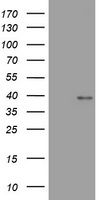
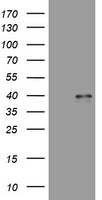
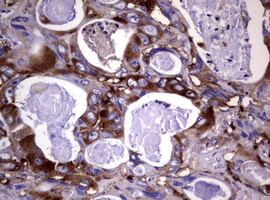
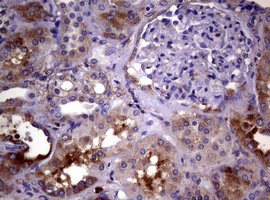
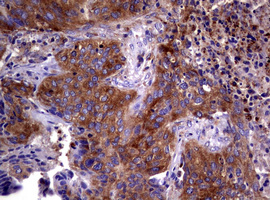
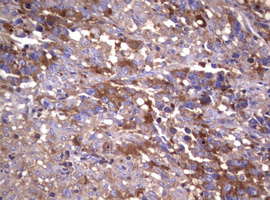
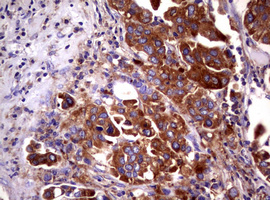
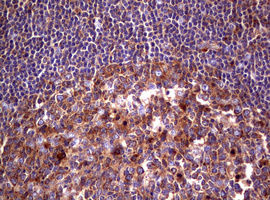

CRISPR
| Catalog No. | Species | Donor Vector | |
|---|---|---|---|
| KN211115LP | WNT3 - human gene knockout kit via CRISPR |
||
 |
Human | Luciferase-Puro |
1 kit /
€1,290.00
|
| OriGene Technologies, Inc. | |||

