CDK5 antibody
Principal name
CDK5 antibody
Alternative names for CDK5 antibody
PSSALRE, TPKII catalytic subunit, Cell division protein kinase 5,Cyclin-dependent kinase 5, Tau protein kinase II catalytic subunit, Serine/threonine-protein kinase PSSALRE
Ncbi ID
NP_001157882.1, 9606, NP_004926, NM_004935, NP_004926.1 (Gene ID : 1020), NM_001164410, NP_543161, NP_031694.1, NM_080885
Available reactivities
Available hosts
Available applications
Immunocytochemistry/Immunofluorescence (ICC/IF), Immunoprecipitation (IP), Western blot / Immunoblot (WB), Enzyme Immunoassay (E), ELISA (detection) (E(detection)), Paraffin Sections (P), Flow Cytometry (F), Frozen Sections (C)
Background of CDK5 antibody
Cdks (cyclin-dependent kises) are heteromeric serine/threonine kises that control progression through the cell cycle in concert with their regulatory subunits, the cyclins. Although there are 12 different cdk genes, only 5 have been shown to directly drive the cell cycle (Cdk1, -2, -3, -4, and -6). Following extracellular mitogenic stimuli, cyclin D gene expression is upregulated. Cdk4 forms a complex with cyclin D and phosphorylates Rb protein, leading to liberation of the transcription factor E2F. E2F induces transcription of genes including cyclins A and E, D polymerase and thymidine kise. Cdk4-cyclin E complexes form and initiate G1/S transition. Subsequently, Cdk1-cyclin B complexes form and induce G2/M phase transition. Cdk1-cyclin B activation induces the breakdown of the nuclear envelope and the initiation of mitosis. Cdks are constitutively expressed and are regulated by several kises and phosphastases, including Wee1, CDK-activating kise and Cdc25 phosphatase. In addition, cyclin expression is induced by molecular sigls at specific points of the cell cycle, leading to activation of Cdks. Tight control of Cdks is essential as misregulation can induce unscheduled proliferation, and genomic and chromosomal instability. Cdk4 has been shown to be mutated in some types of cancer, whilst a chromosomal rearrangement can lead to Cdk6 overexpression in lymphoma, leukemia and melanoma. Cdks are currently under investigation as potential targets for antineoplastic therapy, but as Cdks are essential for driving each cell cycle phase, therapeutic strategies that block Cdk activity are unlikely to selectively target tumor cells.
General readings
Demetrick DJ. et al. (1994) Cytogenet Cell Genet. 66:72-74.Meyerson M. et al. (1992) EMBO J. 11:2909-2917.




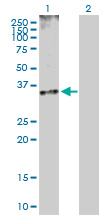
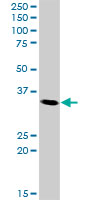
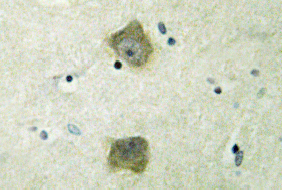
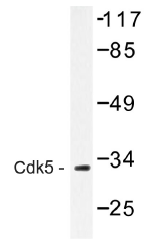



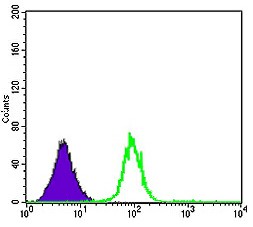
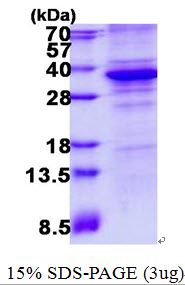
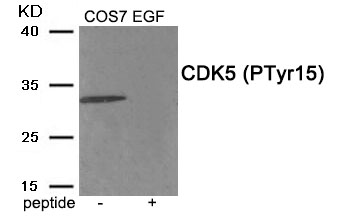

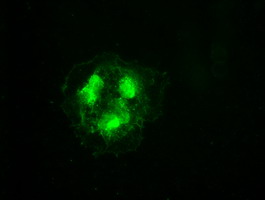


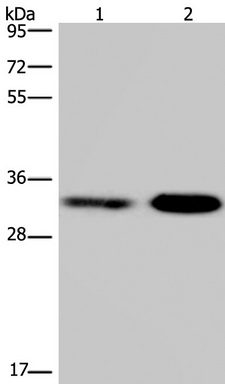
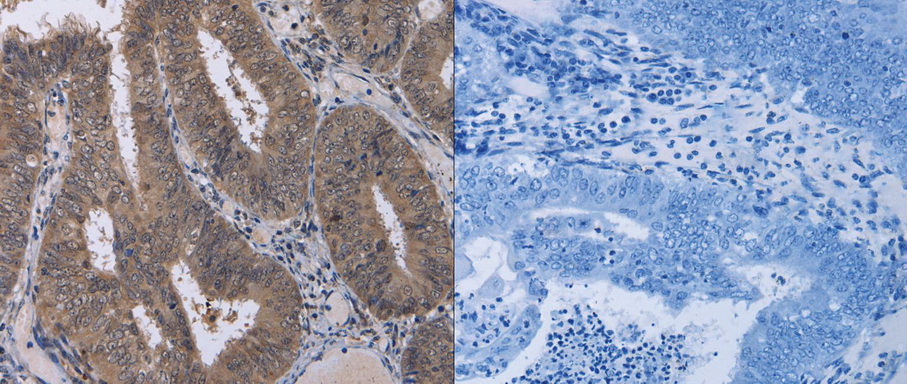
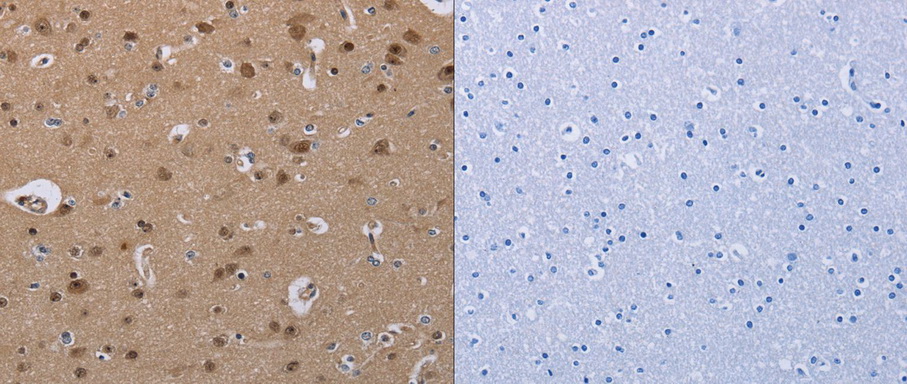
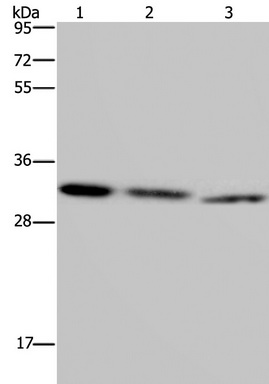
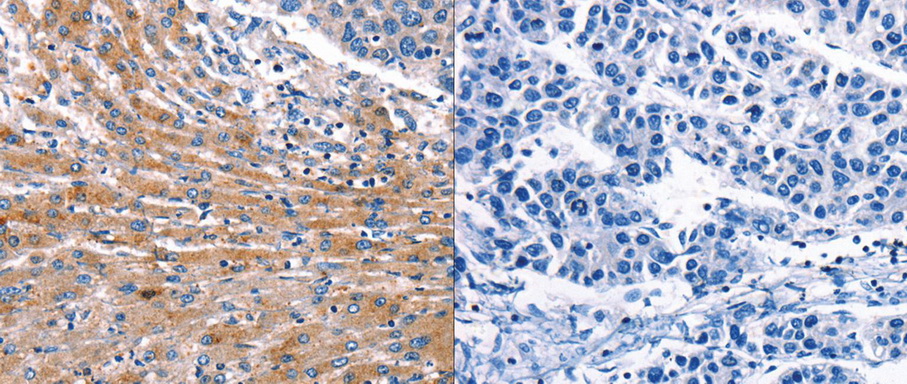
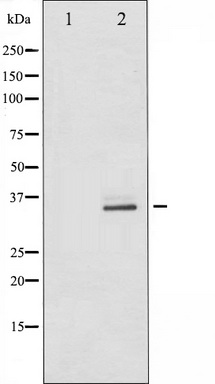
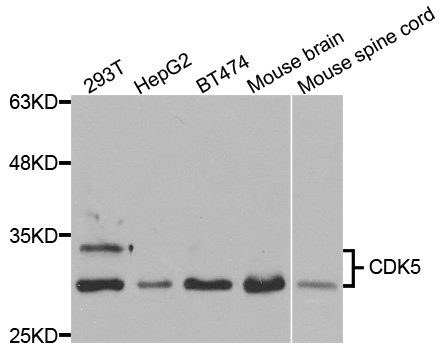
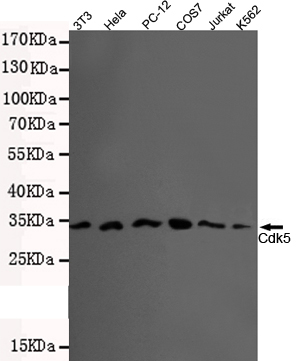
Primary Antibodies
| Catalog No. | Host | Iso. | Clone | Pres. | React. | Applications | |
|---|---|---|---|---|---|---|---|
| TA346910 | CDK5 antibody |
||||||
| Mouse Monoclonal CDK5(N-terminus) Antibody | |||||||
 |
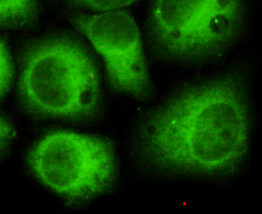
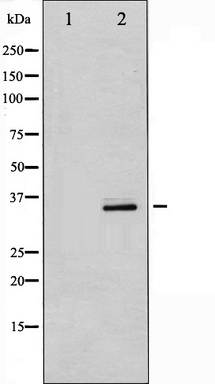
Mouse | IgG1 | 2E8-F9-B7-C11 | Purified | ICC/IF, WB |
0.1 ml /
€335.00
|
|
| OriGene Technologies, Inc. | |||||||
 +1 additional image +1 additional image |
|||||||