PPAR-gamma antibody
Principal name
PPAR-gamma antibody
Alternative names for PPAR-gamma antibody
PPARG, NR1C3, Peroxisome proliferator-activated receptor gamma
SwissProt ID
O18971 (Bovin), O19052 (Rabit), O62807 (Pig), O88275 (Rat), P37231 (Human), Q15180 (Human)
Ncbi ID
NP_005028.4, 9606, NP_056953, NP_005028, NM_015869, NP_619726, NP_619725, NP_001138838.1, NM_013124, NM_001145366, NM_138711, NM_005037
Available reactivities
Available hosts
Available applications
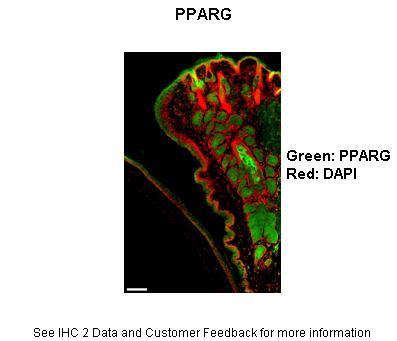
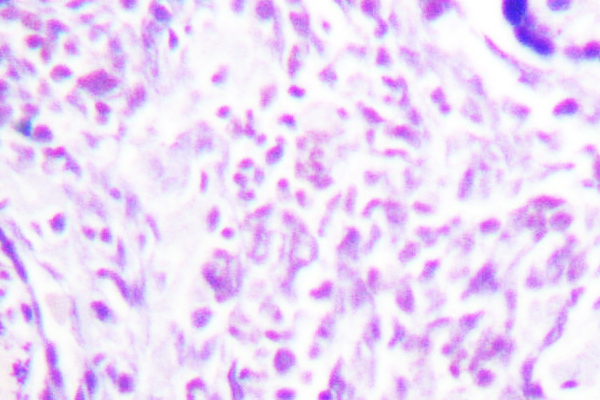
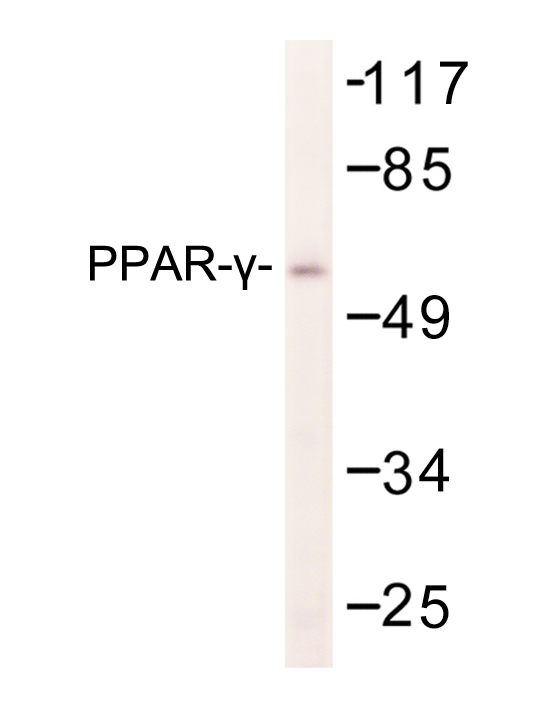
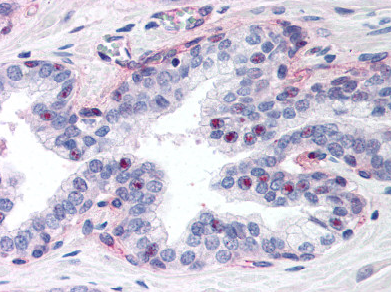
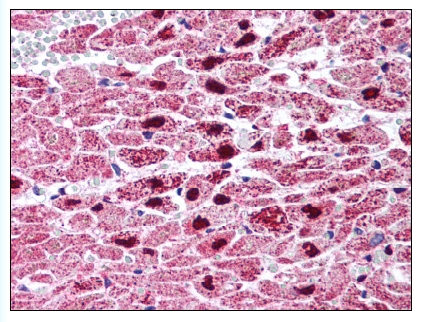
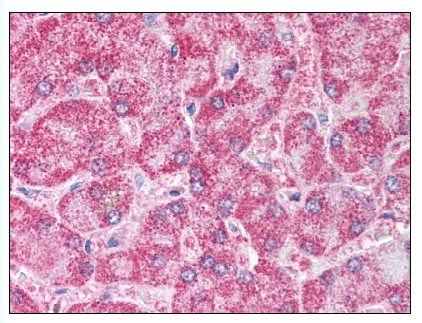
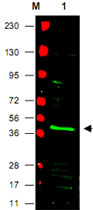
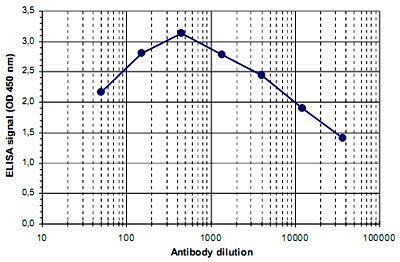
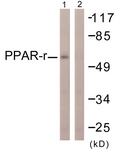
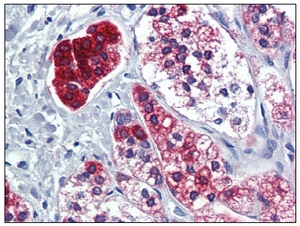
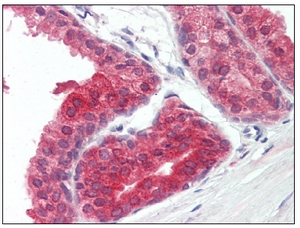
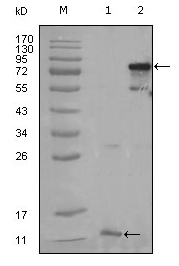
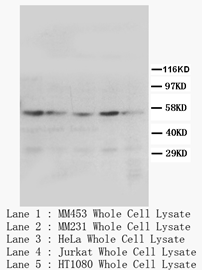
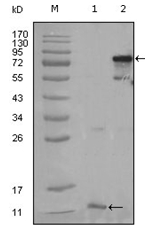
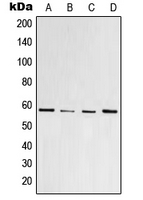
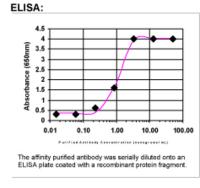
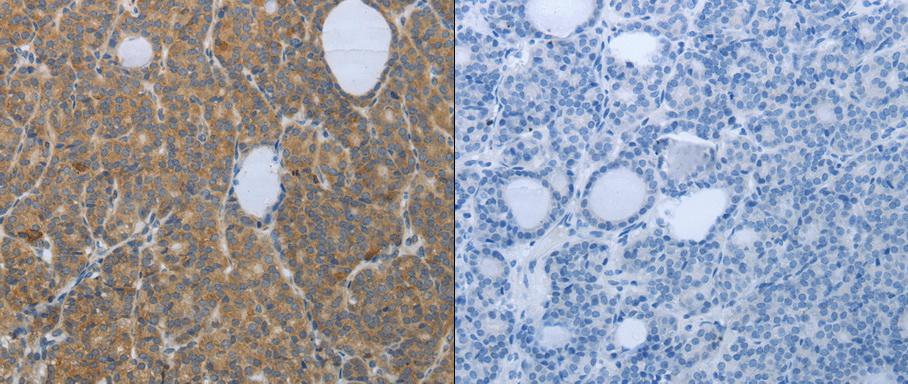
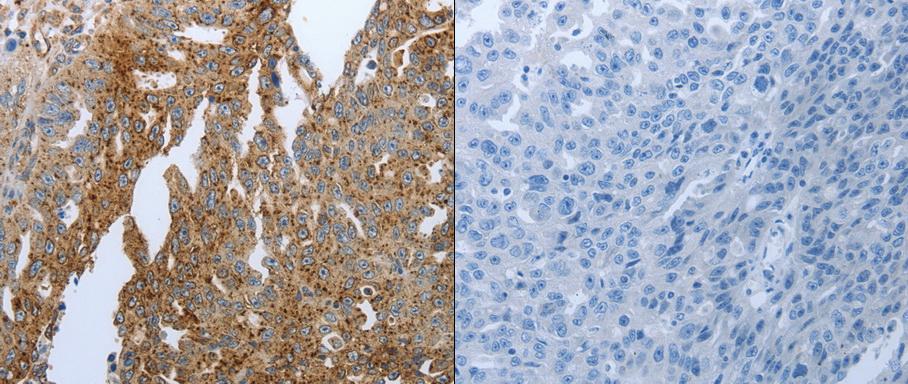
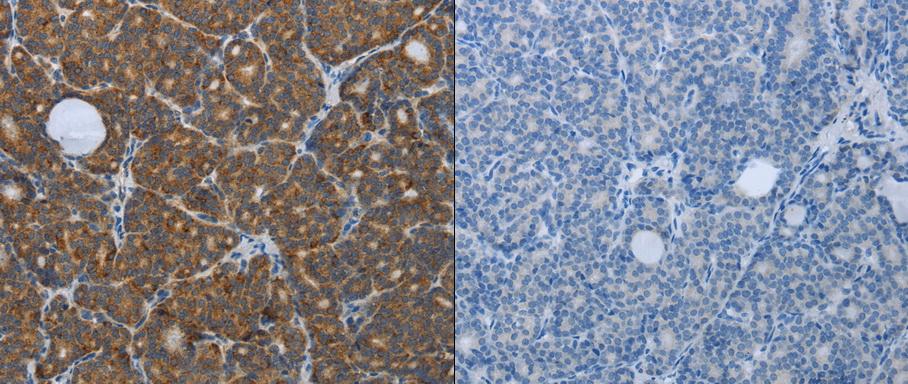
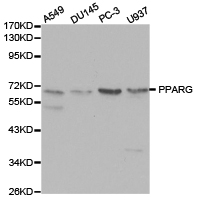
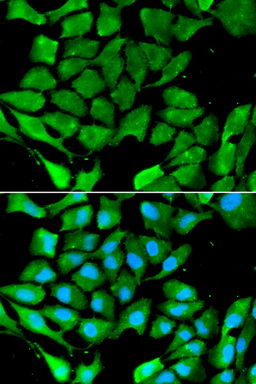
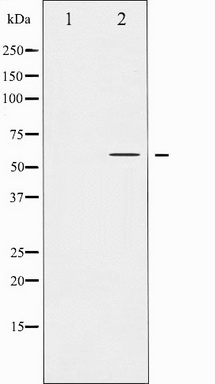
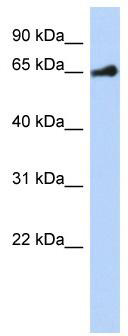
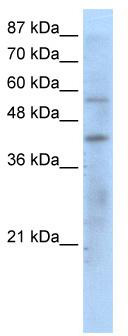
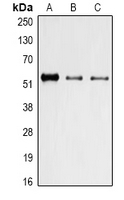
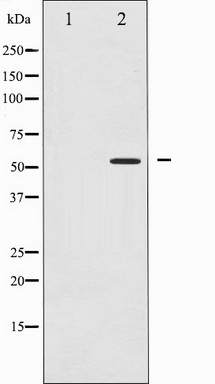
Enzyme Immunoassay (E), Western blot / Immunoblot (WB), Paraffin Sections (P), Immunohistochemistry (IHC), Electrophoretic Mobility Shift Assay (EMSA), Immunoprecipitation (IP), Frozen Sections (C)
Background of PPAR-gamma antibody
Since their discovery in the early 1990's, the peroxisome proliferator activated receptors (PPARs) have attracted significant attention. This is primarily because PPARs serve as receptors for two very important classes of drugs: the hypolipidemic fibrates and the insulin sensitizing thiazolidinediones. Peroxisome proliferators are non-genotoxic carcinogens that are purported to exert their effect on cells through their interaction with members of the nuclear hormone receptor family termed PPARs. Nuclear hormone receptors are ligand-dependent intracellular proteins that stimulate transcription of specific genes by binding to specific DNA sequences following activation by the appropriate ligand. Upon binding fatty acids or hypolipidemic drugs, PPARs form heterodimers with retinoid X receptors (RXRs) and these heterodimers regulate the expression of target genes. There are 3 known subtypes of PPARs: PPAR-alpha, PPAR-delta and PPAR-gamma. The target genes of PPAR-alpha and PPAR-delta are primarily involved in the catabolism of fatty acids. Conversely, PPAR-gamma is activated by peroxisome proliferators such as prostaglandins, leukotrienes and anti-diabetic thiazolidinediones and affects the expression of genes involved in the storage of fatty acids. PPAR-gamma may also be involved in adipocyte differentiation. It has also been shown that PPARs can induce transcription of acyl coenzyme A oxidase and cytochrome P450 through interaction with specific response elements.
General readings
Berger J.. et al. (2002) Annu Rev Med . 53:409-35.
Michalik L .,et al. (2006) Pharmacol Rev. 58(4):726-41.





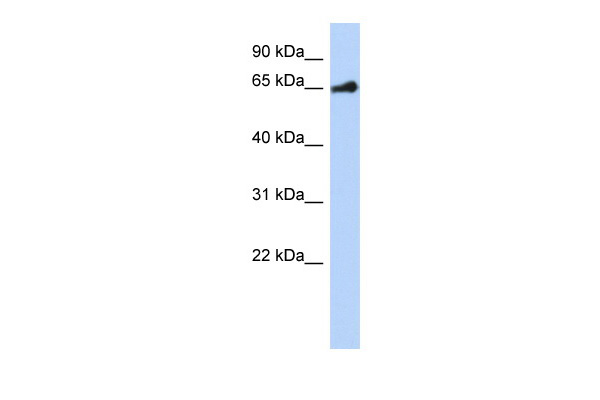

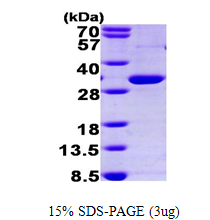
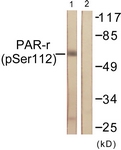
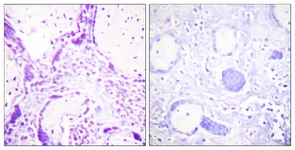





Human Lenti ORF Particles
| Catalog No. | ||
|---|---|---|
| RC212449L1V | Lenti ORF particles, PPARG (Myc-DDK tagged) - Human peroxisome proliferator-activated receptor gamma (PPARG), transcript variant 4 , 200 uL, >10^7 TU/mL |
|
 |
200 µl /
€1,040.00
|
|
| OriGene Technologies, Inc. | ||

