PPP1R13B antibody
Principal name
PPP1R13B antibody
Alternative names for PPP1R13B antibody
ASPP1, KIAA0771, Apoptosis-stimulating of p53 protein 1, Protein phosphatase 1 regulatory subunit 13B
Ncbi ID
Available reactivities
Available hosts
Available applications
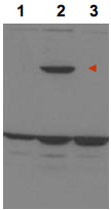
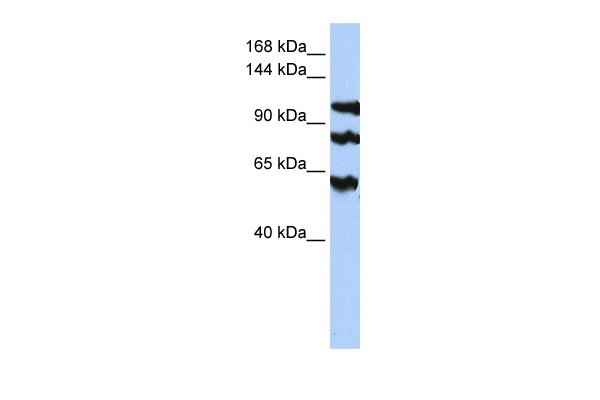
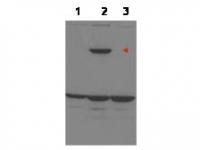
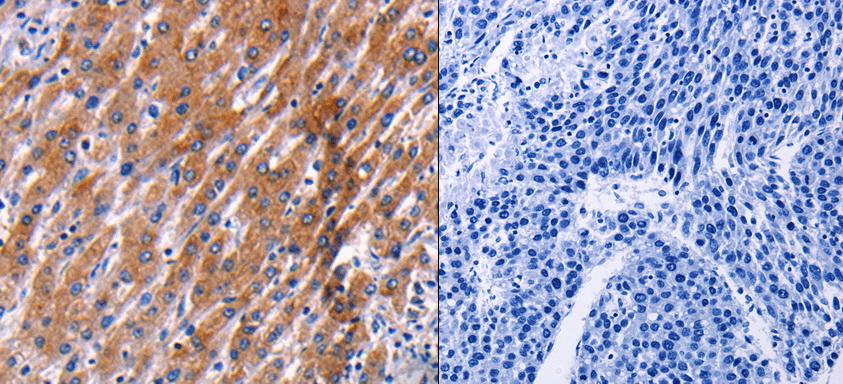
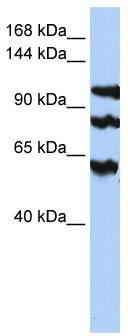
Western blot / Immunoblot (WB), Enzyme Immunoassay (E), Paraffin Sections (P), Immunocytochemistry/Immunofluorescence (ICC/IF), Immunoprecipitation (IP)
Background of PPP1R13B antibody
PPP1R13B is a member of the ASPP (apoptosis-stimulating protein of p53) family of p53 interacting proteins. The protein contains four ankyrin repeats and an SH3 domain involved in protein-protein interactions. ASPP proteins are required for the induction of apoptosis by p53-family proteins. They promote DNA binding and transactivation of p53-family proteins on the promoters of proapoptotic genes. Expression of this gene is regulated by the E2F transcription factor.This gene encodes a member of the ASPP (apoptosis-stimulating protein of p53) family of p53 interacting proteins. The protein contains four ankyrin repeats and an SH3 domain involved in protein-protein interactions. ASPP proteins are required for the induction of apoptosis by p53-family proteins. They promote DNA binding and transactivation of p53-family proteins on the promoters of proapoptotic genes. Expression of this gene is regulated by the E2F transcription factor.
General readings
Agirre,X., (2006) Oncogene 25 (13), 1862-1870

Proteins & Growth Factors
| Catalog No. | Species | Pres. | Purity | Source | |
|---|---|---|---|---|---|
| TP321172 | PPP1R13B |
||||
| Recombinant protein of human protein phosphatase 1, regulatory (inhibitor) subunit 13B (PPP1R13B) | |||||
 |
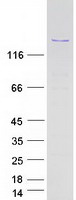
Human | > 80 % Preparation: Recombint protein was captured through anti-DDK affinity column followed by conventiol chromatography steps. Purity Detail: > 80% as determined by SDS-PAGE and Coomassie blue staining. |
HEK293 cells |
20 µg /
€788.00
|
|
| OriGene Technologies, Inc. | |||||

